With thanks again to all our funders but particularly to the Angus Lawson Memorial Trust (Home – The Angus Lawson Memorial Trust) and Child Health Matters (www.childhealthmatters.org.uk) for supporting the programme in Uganda.
Your blog category
With thanks again to all our funders but particularly to the Angus Lawson Memorial Trust (Home – The Angus Lawson Memorial Trust) and Child Health Matters (www.childhealthmatters.org.uk) for supporting the programme in Uganda.
Today’s update from Bwindi, Uganda:
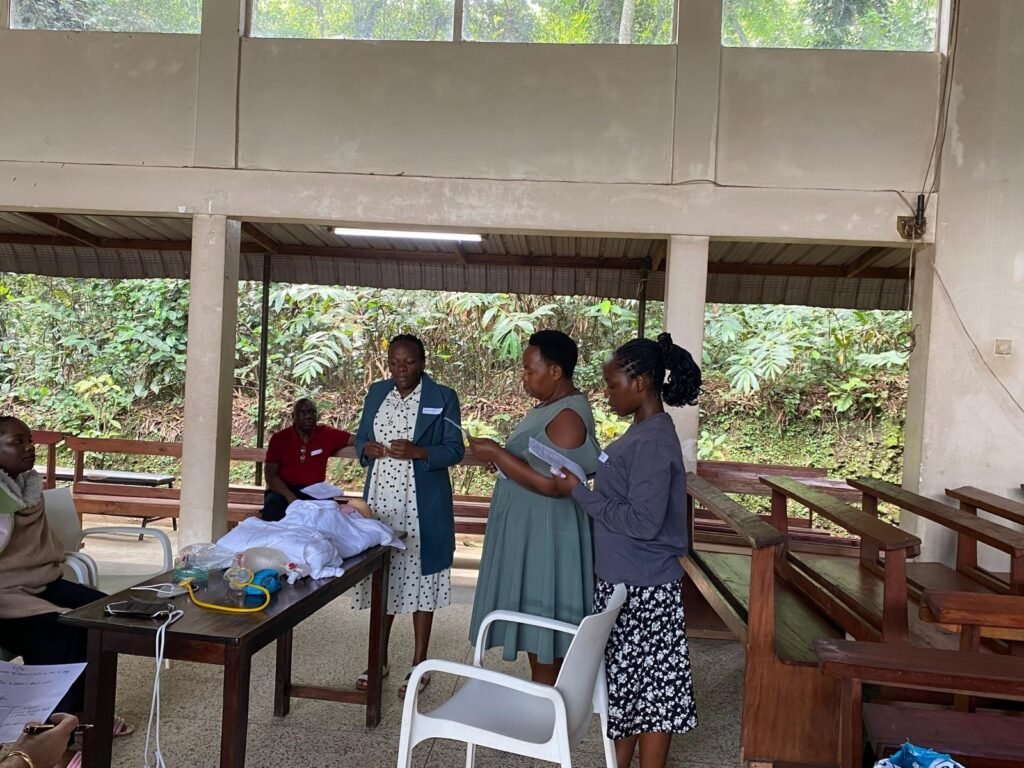
The new instructor candidates from Bwindi have been taking the lead on the second Neonatal Care Course (NCC) this week, with support from the NICHE instructors. It was a delight to see our ICs develop their teaching skills and adapt these to the needs of our learners. Our new learners again were from a mixed background with varied experience but all with so much enthusiasm.
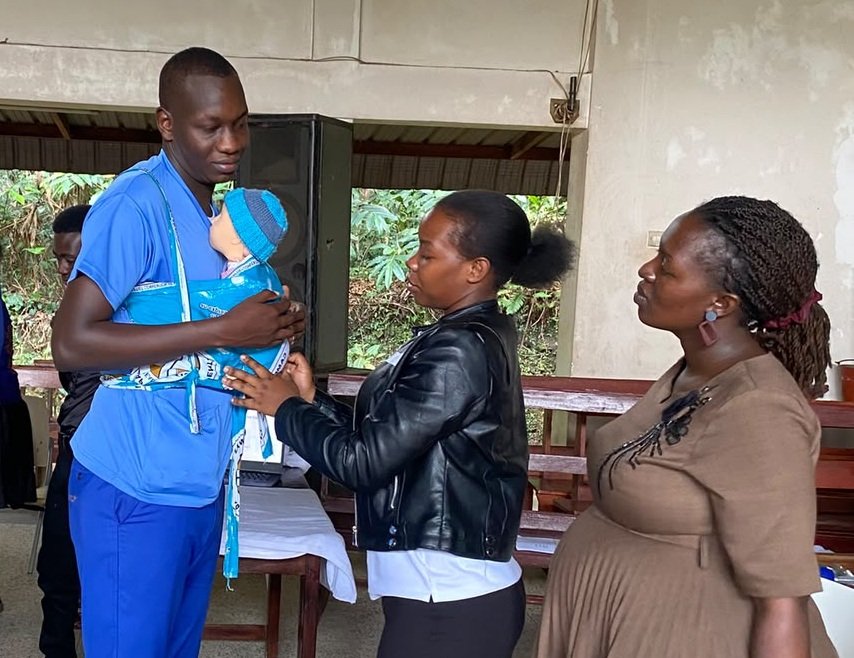
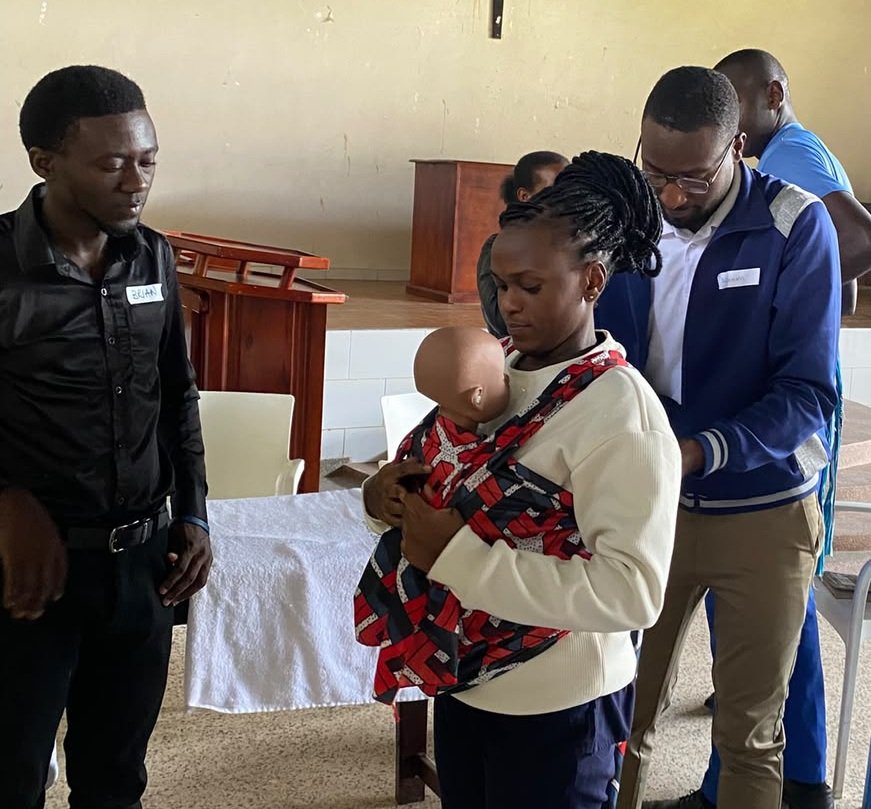
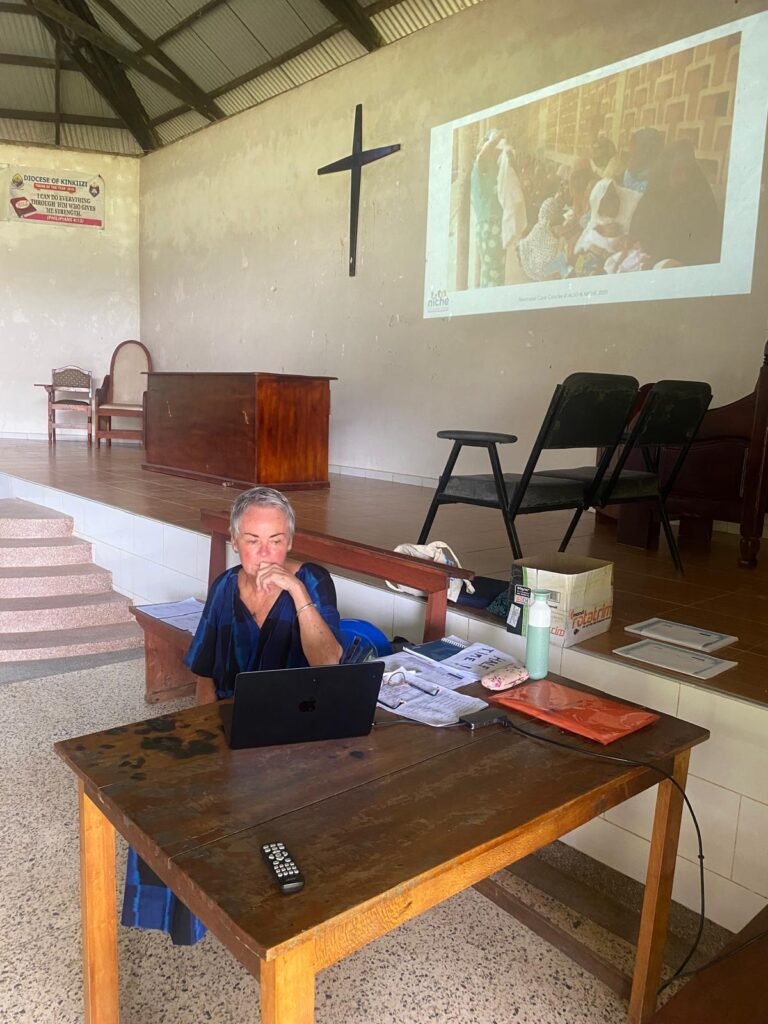
Another successful day in Bwindi ready for the final day of teaching tomorrow. The international team flies home tomorrow evening at the end of a very busy, sometimes challenging but ultimately wonderfully successful week.
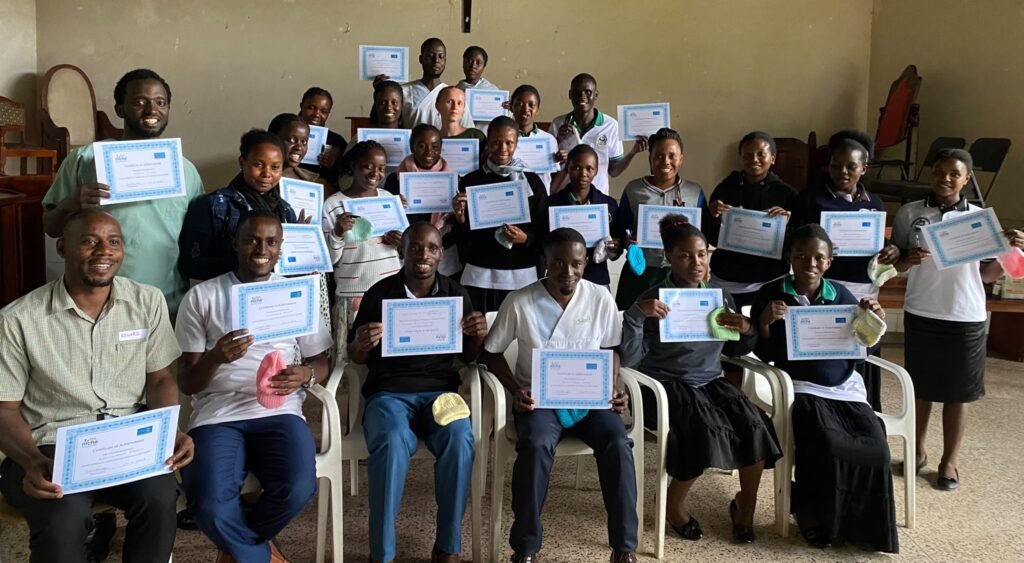
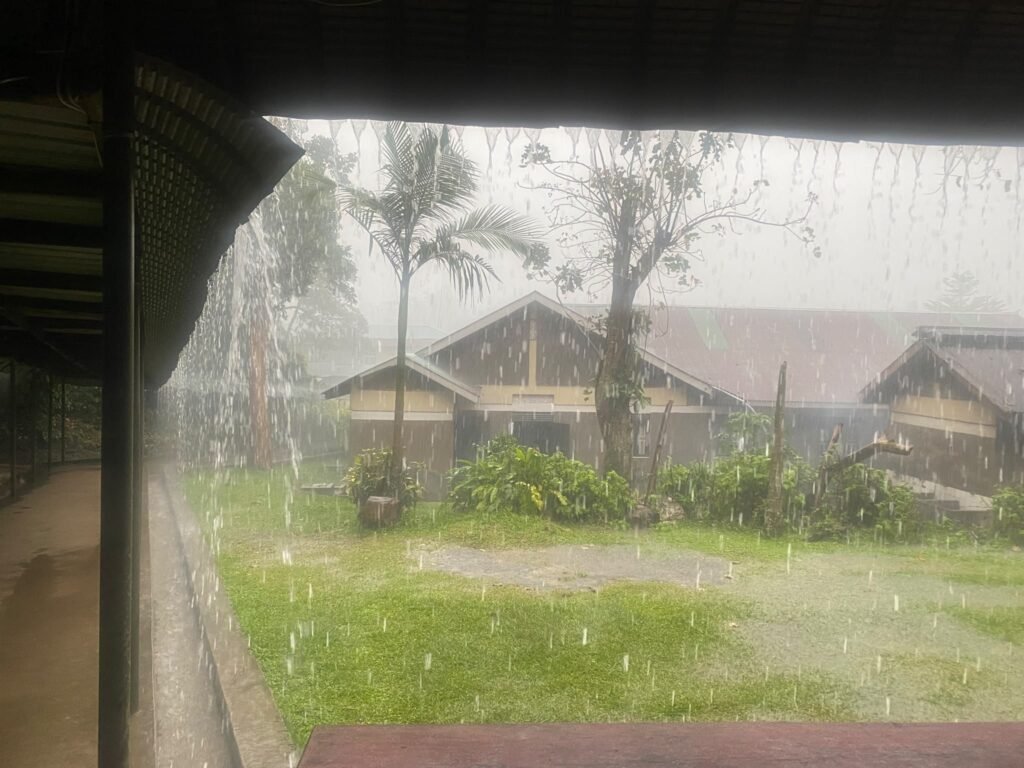
Completed 1st NCC course through the biggest rain storm we have seen here. The noise on the metal roof was deafening and no power but despite this the instructors did brilliantly using phone torches and shouting!
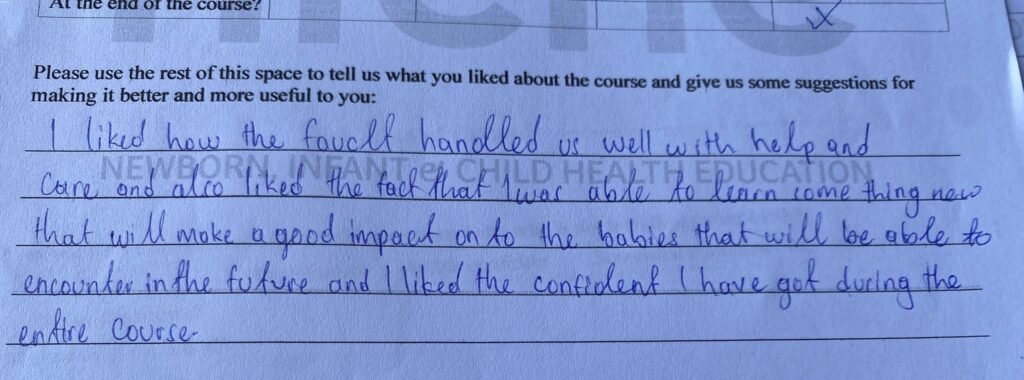
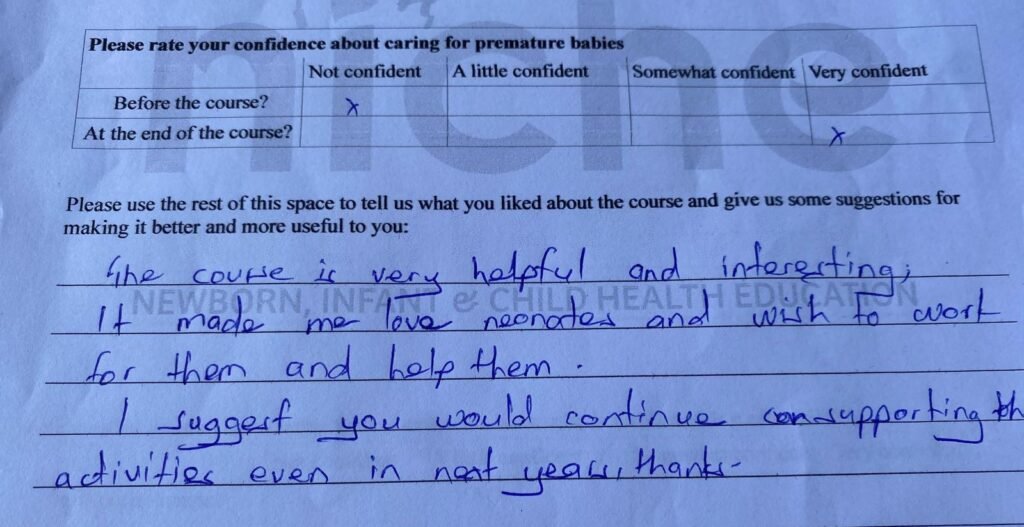
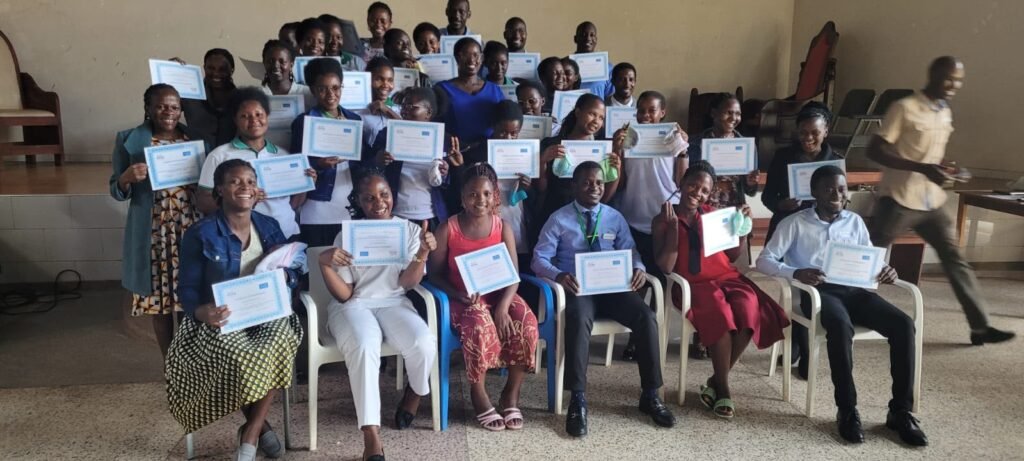
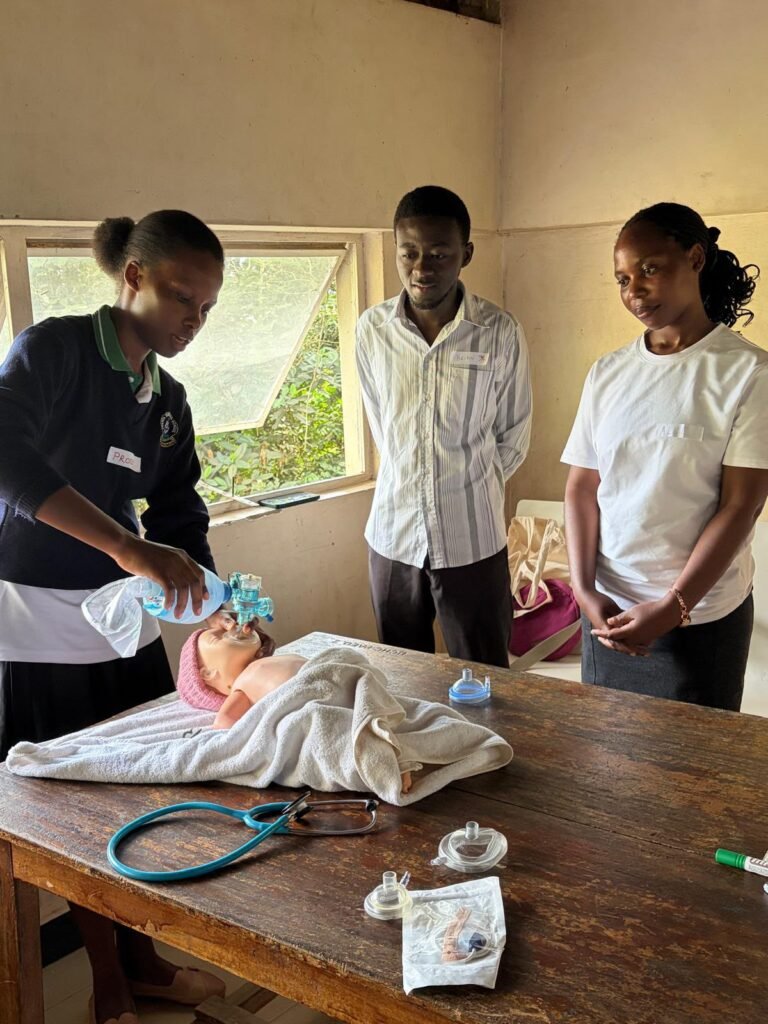
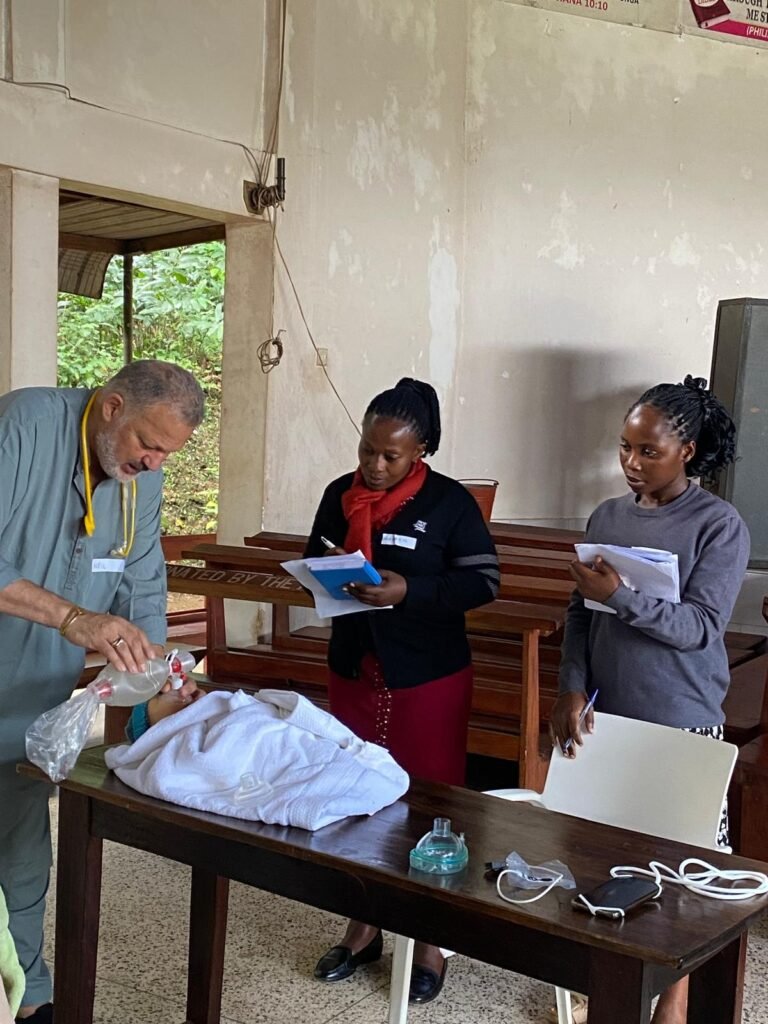
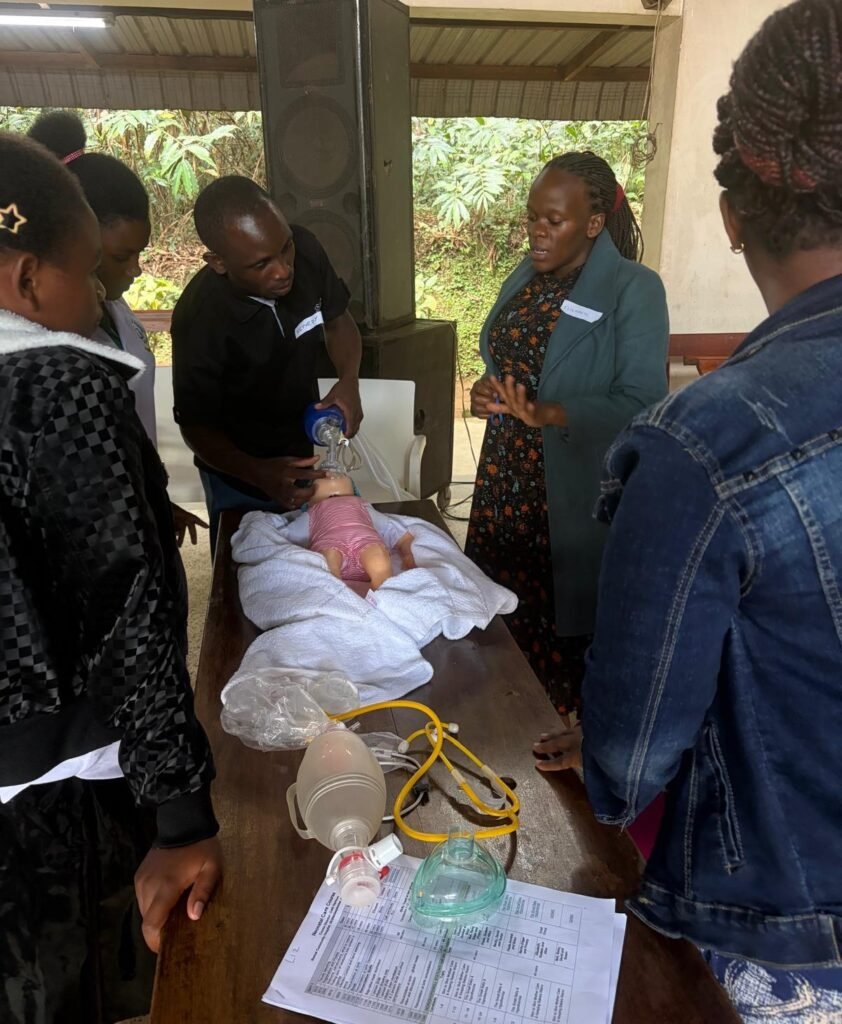
The candidates all enjoyed the course and all gained skills in airway management and recognition of an unwell baby.
Another successful NCC course.
The evening was spent preparing for the next NCC – another 24 learners including students, nurses, midwives and medical officers. The Bwindi instructor candidates will be leading the teaching this time round with gentle support from the international NICHE instructors where needed.
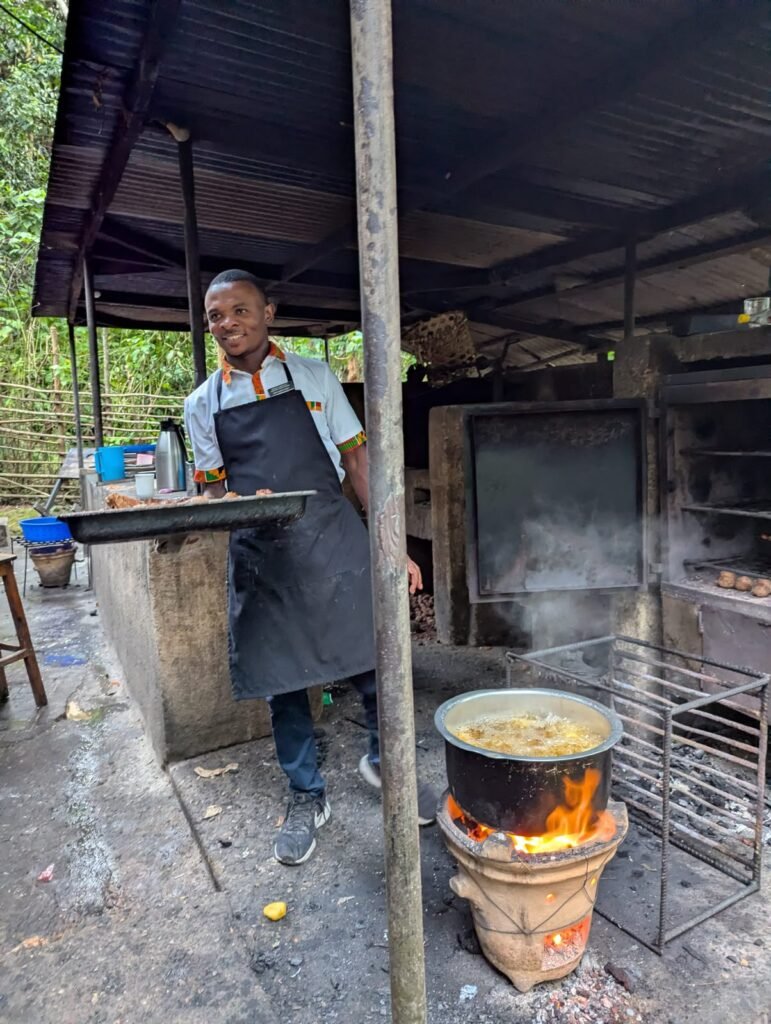
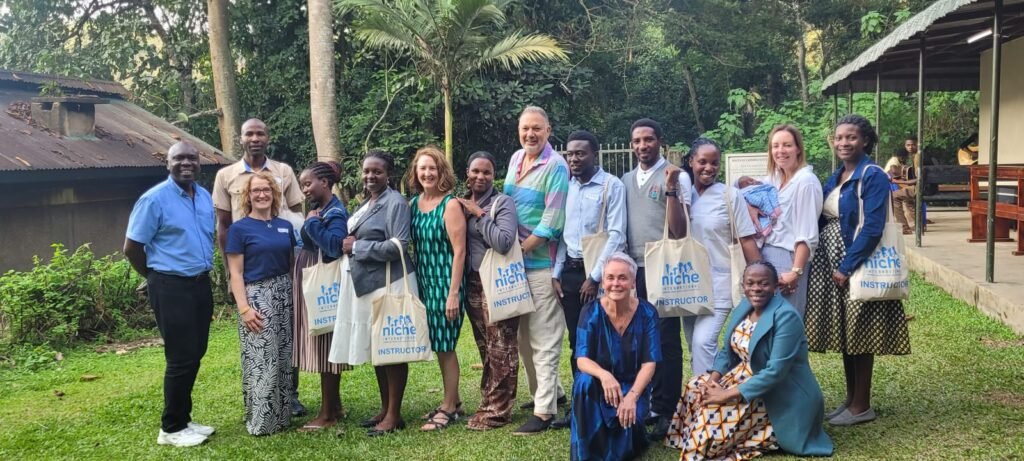
Hats off to the new and the old instructors in Bwindi this week, doing their utmost to bring down neonatal mortality. They are all working incredibly hard in not always ideal conditions, well supported by Daniel and his team at the hospital’s guesthouse and by the hospital management team. Amazing work, all of you!
With thanks to all our funders but particularly to the Angus Lawson Memorial Trust (Home – The Angus Lawson Memorial Trust) and Child Health Matters (www.childhealthmatters.org.uk) for supporting this part of the programme.
Cath writes:
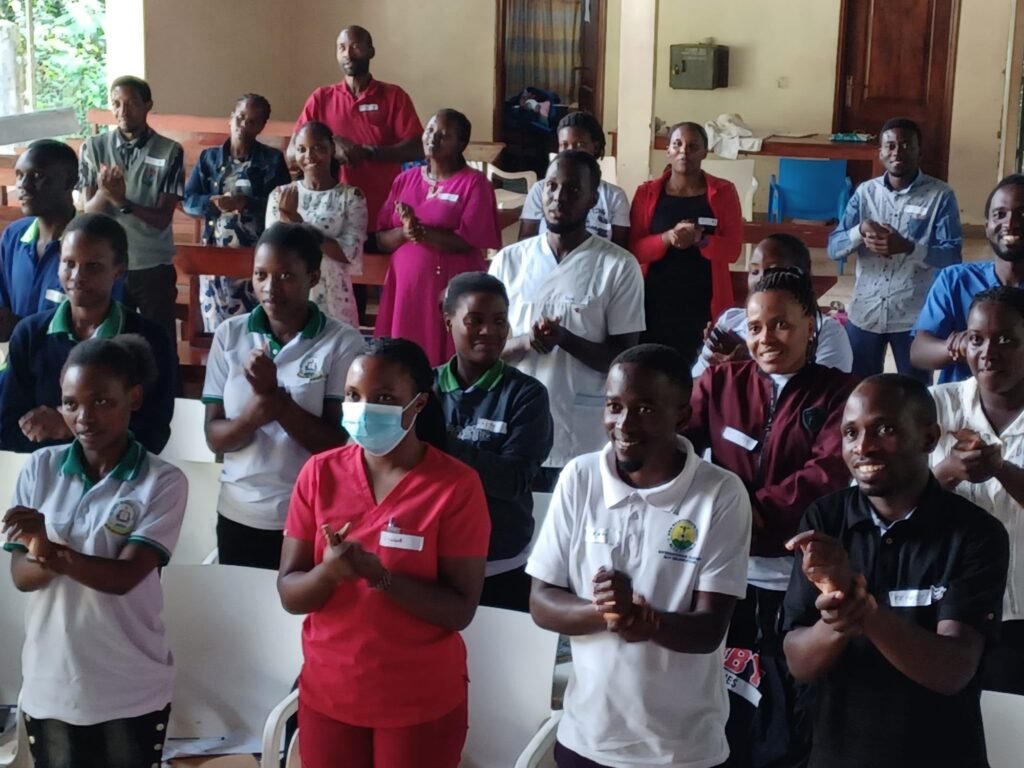
Successful first day of NCC. 24 candidates from Bwindi including 12 student nurses. Our new instructor candidates settled in well and enjoyed a recap of the course before starting their instructor journey.
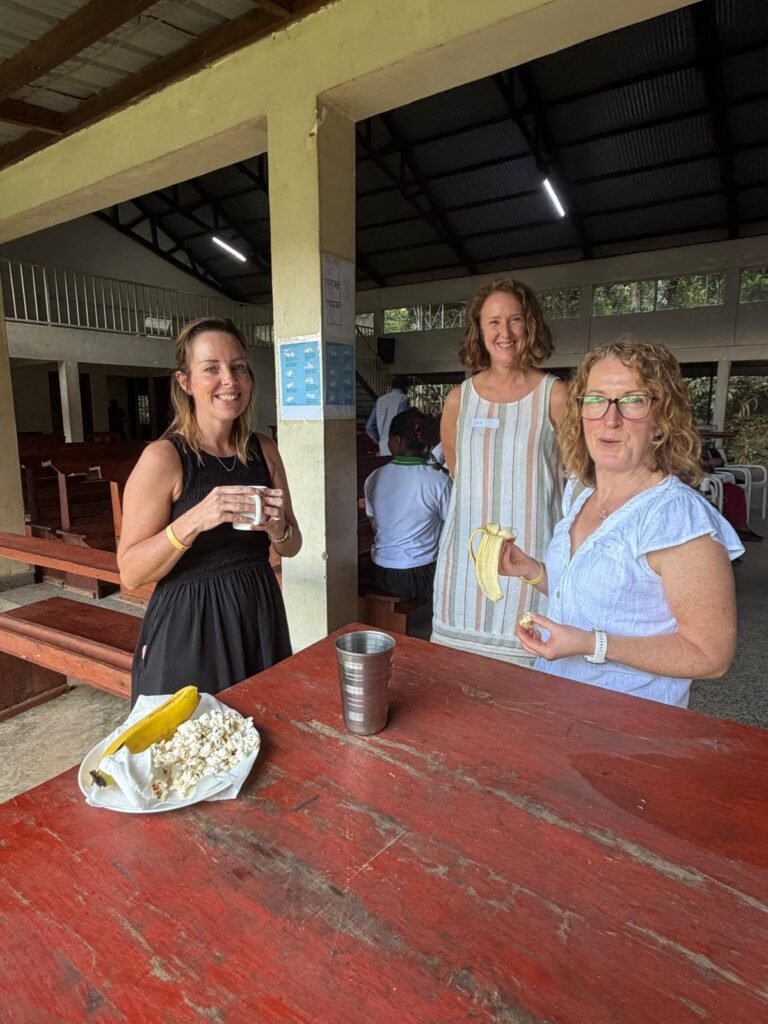
The course had two interesting participants who were more interested in bananas than resuscitation!

The handwashing session as well as the kalafong wrap to encourage skin to skin/ kangaroo mother care was really popular.
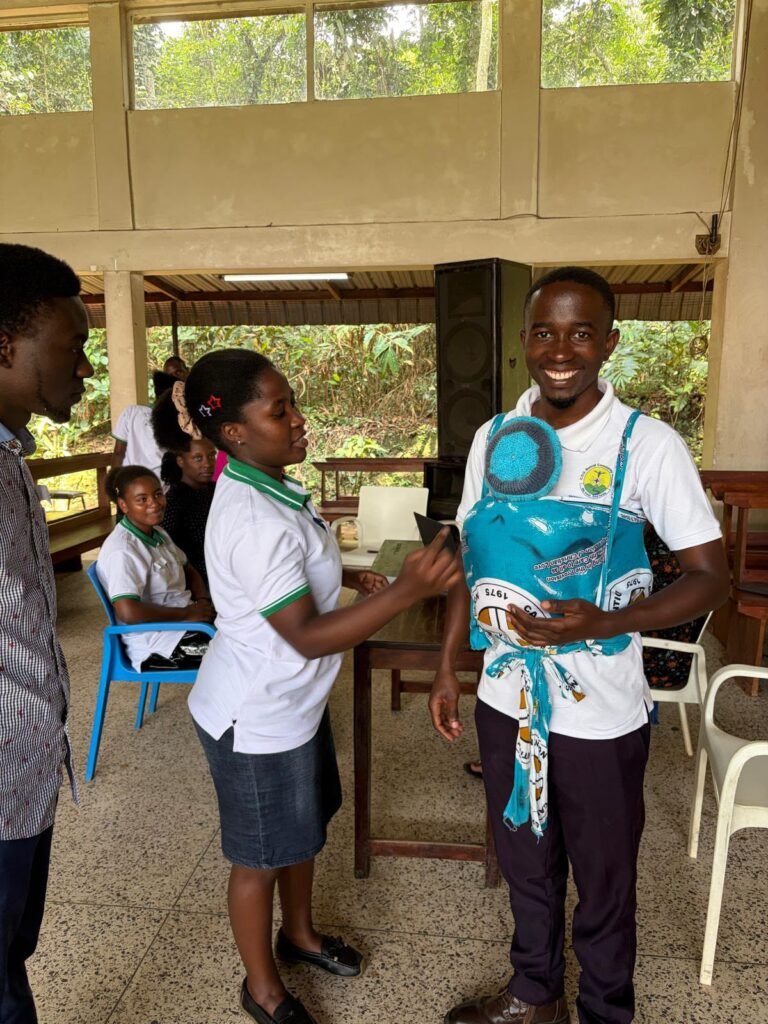
All looking forward to day 2!
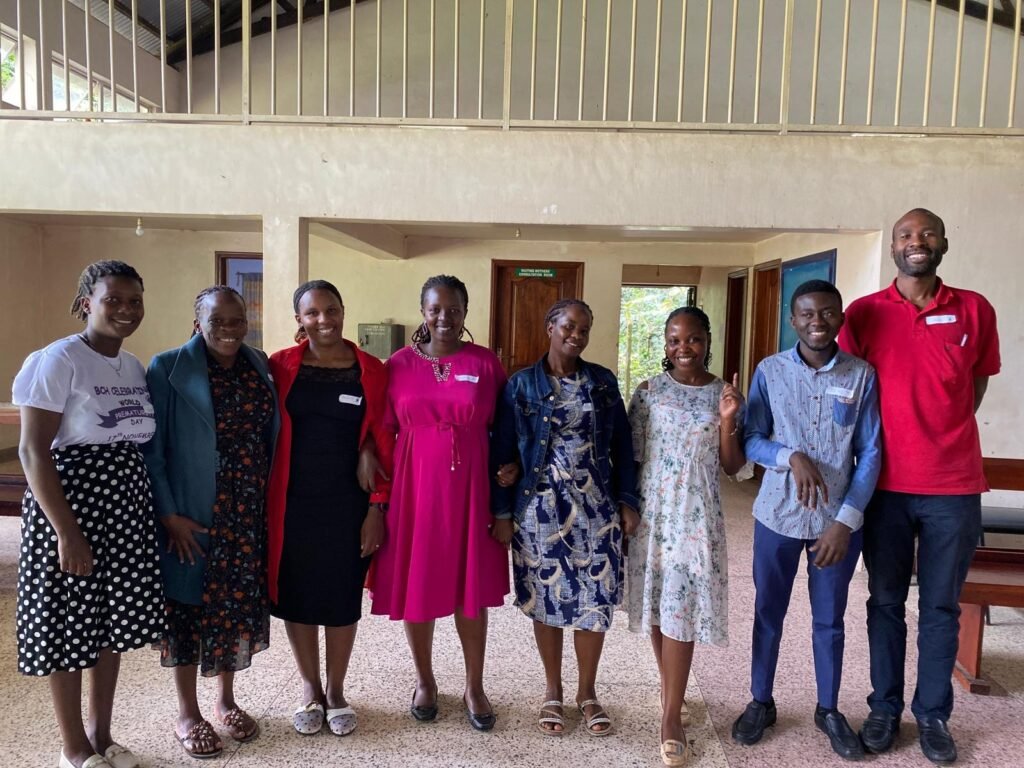
In a small community hospital like Bwindi, a team of clinicians well trained in the care of the newborn infant and actively cascading that information and those skills to their peers significantly strengthens the overall care of babies. The goal of all of us involved with this project is, of course, to bring down the neonatal mortality rate because too many babies are still dying in their first month of life. This is a theme dear to the heart of the Child Health Matters charity (Child Health Matters — Health, dignity and opportunity for South-West Uganda) who are on-going funders for the work that NICHE does in south west Uganda.
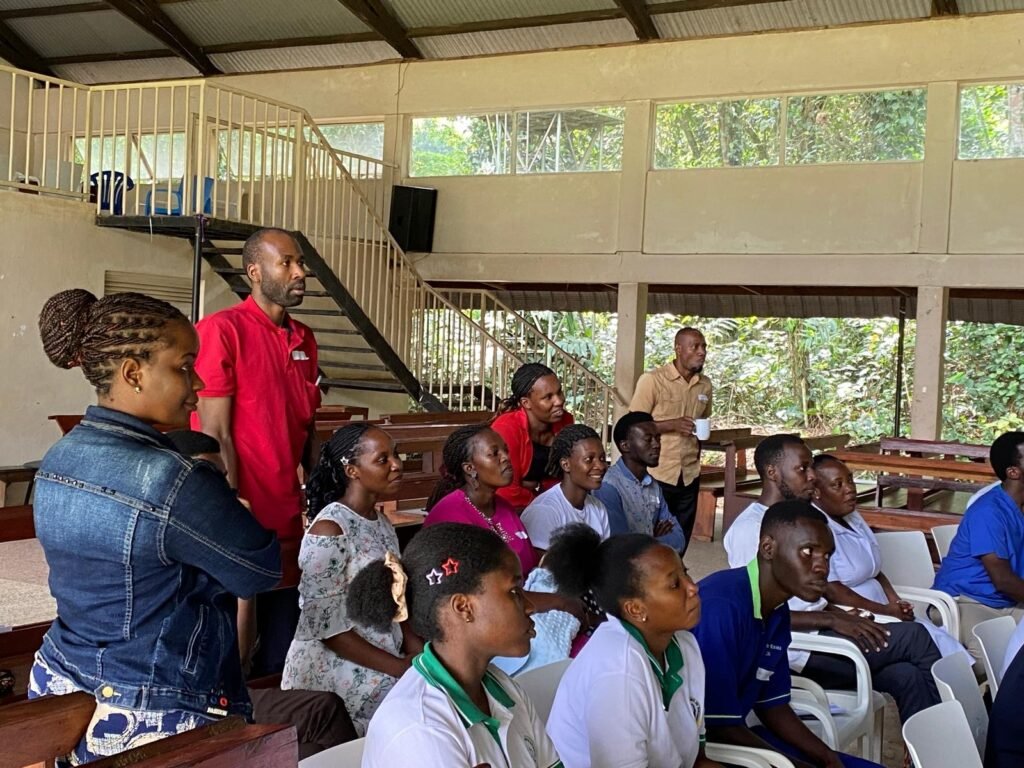
There is a nursing college attached to Bwindi Community Hospital and the NCC has been integrated into the final year students’ curriculum. Elizabeth writes: it’s a local arrangement we have in Bwindi that before the final students complete their course then they have had this training. Otherwise it’s something to push for the nursing council to consider because it’s very helpful and life changing. The curriculum has in it resuscitation but before they were supported by an onsite paediatrician on different drills.
Bwindi does not always have a resident paediatrician so the local NCC instructors here play a vital part in training up nursing students who will go all over Uganda to work.
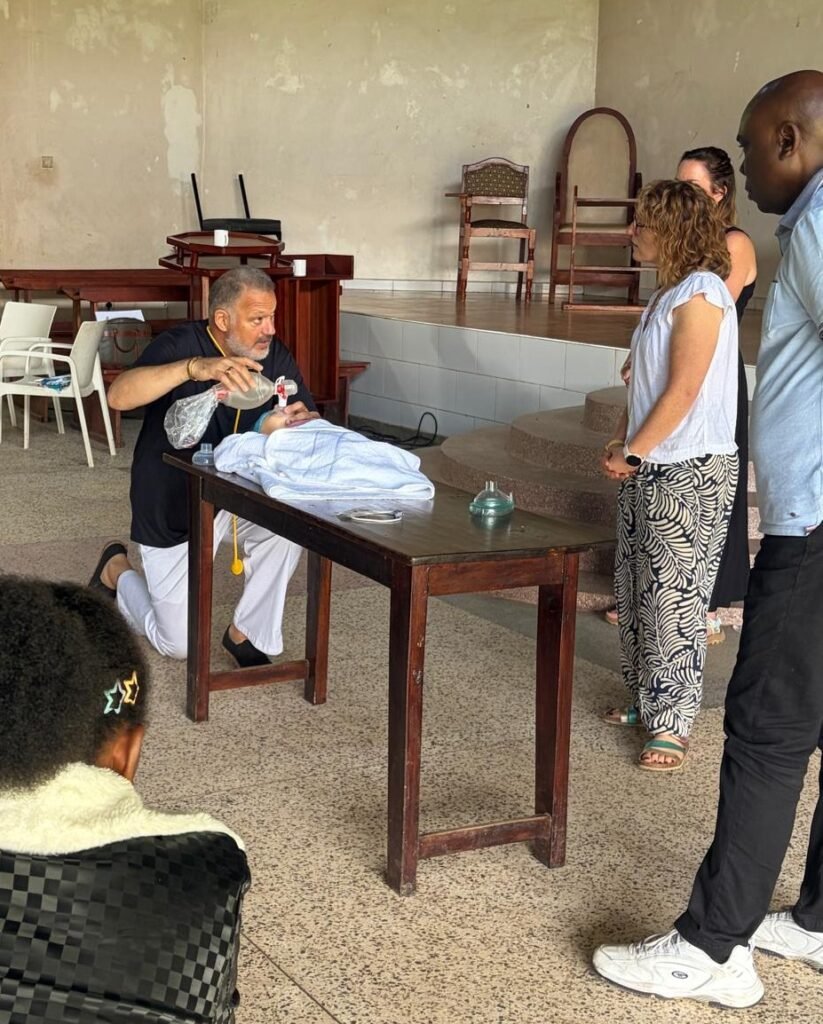
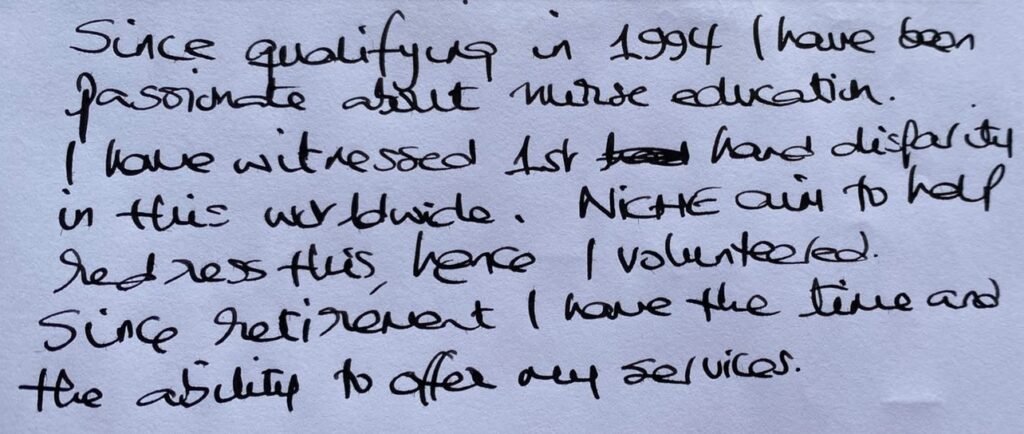
All the instructors who volunteer with NICHE – in the UK and overseas – and all the trustees of the charity give freely of their experience, skills, knowledge and enthusiasm. There is something about working for the sheer pleasure of it and belief in what you are doing and this training seems to hit the spot.
The UK team is honoured to be invited to carry out the project currently in Uganda, Cameroon and Zimbabwe. We are humbled by the zeal and resilience of the healthcare professionals in resource poor areas of the world, constantly learning from our partners overseas and bringing back to our own somewhat beleaguered NHS a new found appreciation of what matters in life.
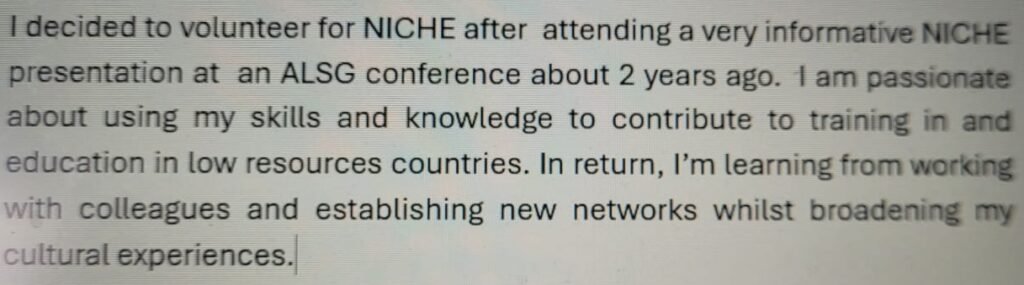
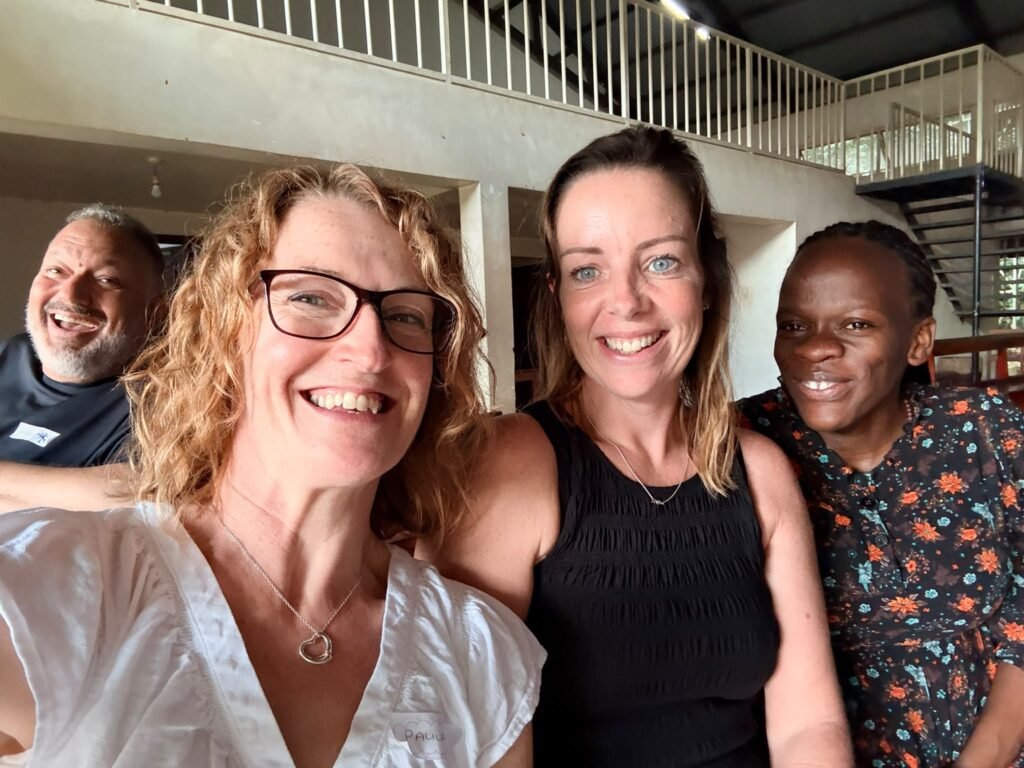
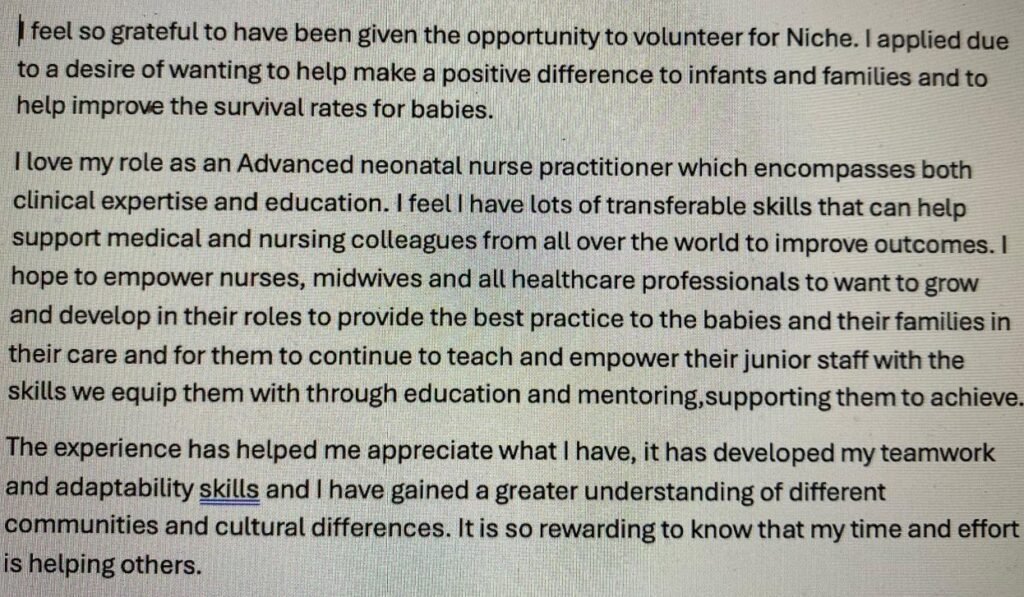
Harrogate senior resuscitation officer and nurse, Paula: I volunteer for NICHE International because I am passionate about sharing my knowledge and skills to improve neonatal care and ultimately save lives. Playing even a small role in reducing infant mortality through education is really rewarding—especially through helping develop local instructors to ensure a sustainable, long-term impact. On a personal level, experiencing healthcare in different parts of the world is a grounding experience that brings a fresh perspective to both my clinical practice and daily life for which I am immensely grateful.
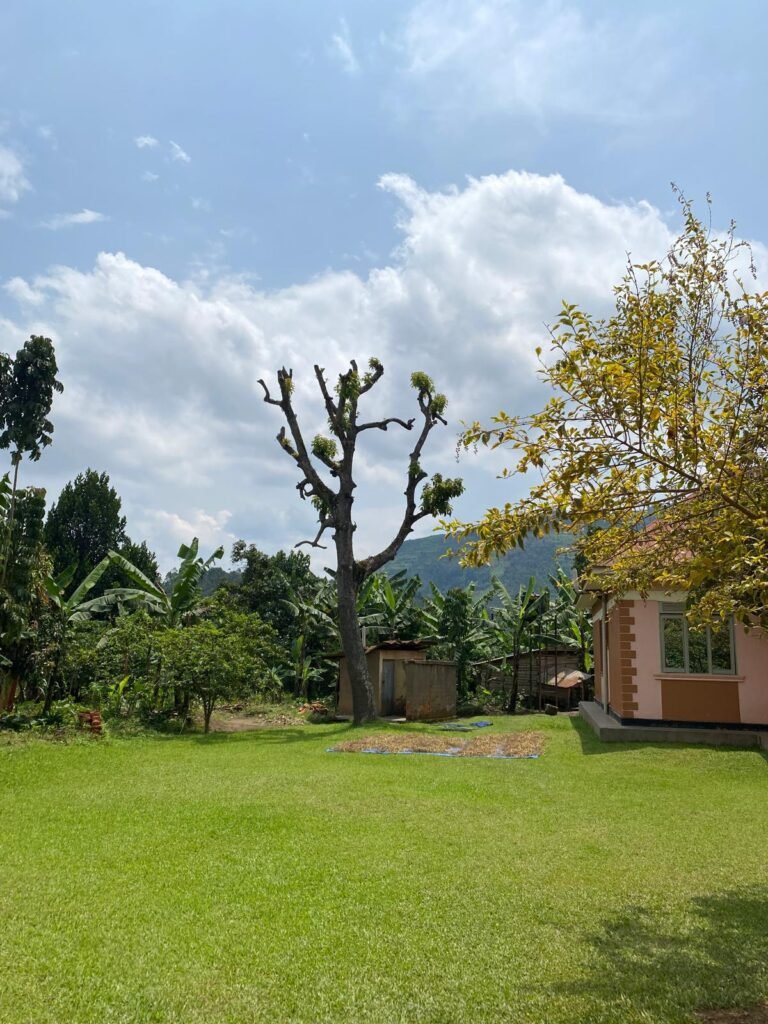
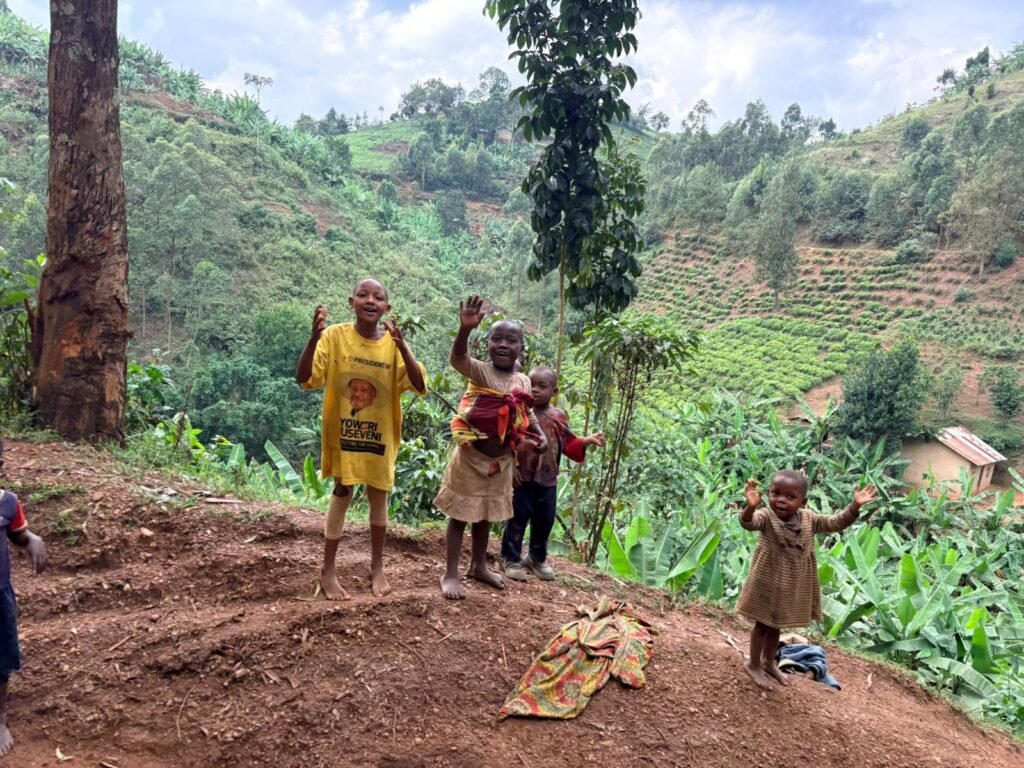
The team had a few hours off teaching this morning. Amazing singing from the Sunday church service in the chapel, Cath wrote, followed by a walk through the village prepared us for our pre course faculty meeting on the verandah of the hospital’s guest house, ready for the NCC tomorrow.
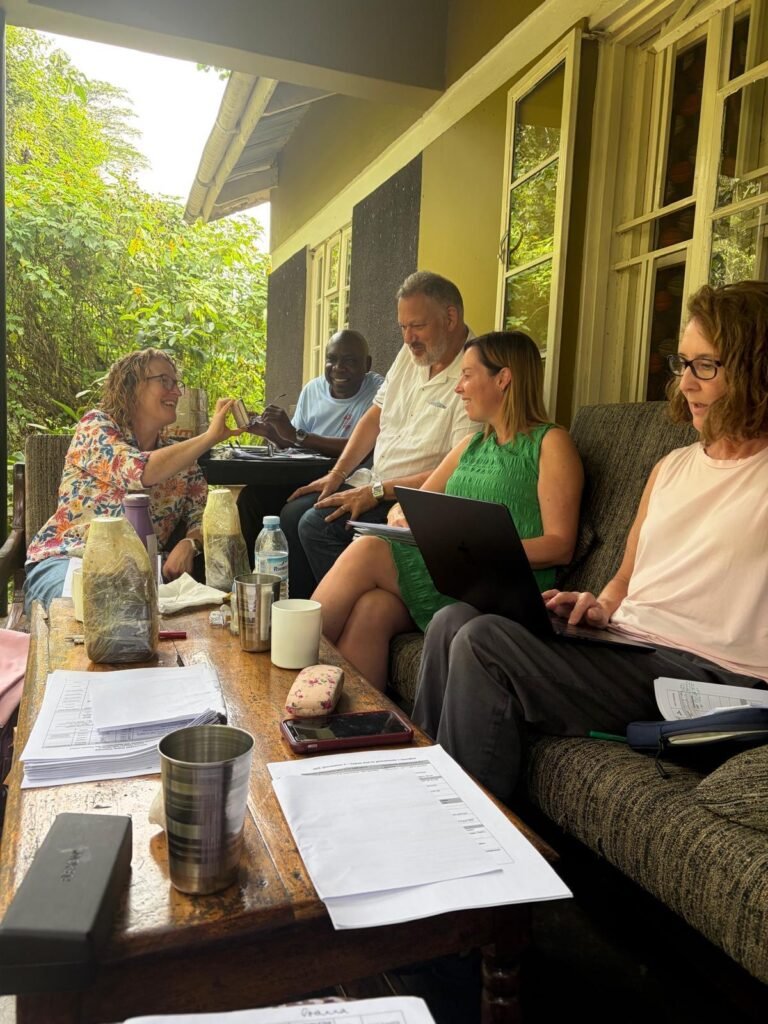
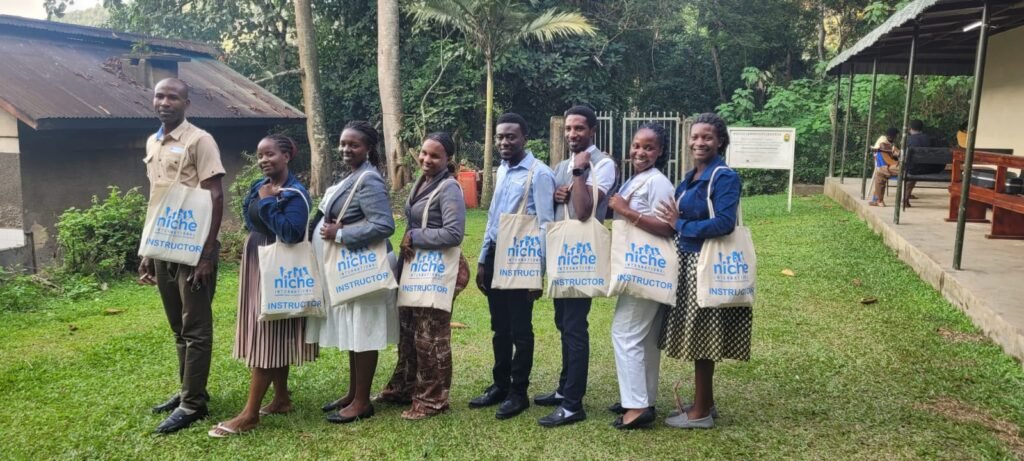
We are excited to welcome back 8 Bwindi health care professionals as instructor candidates on the course tomorrow after their successful completion of the Generic Instructor Course.
Newly trained instructors must teach on two Neonatal Care Courses (NCC) under the supervision of experienced instructors in order to become full NCC instructors. That is what this week has in store in Bwindi, south Uganda.
Ironically – albeit fortuitously – the fact that 48 more healthcare professionals are going to be trained this week in the care of the newborn infant in the first 28 days of life almost takes second place behind the successful growth of the local NCC faculty. That’s what sustainability in healthcare training is all about.
As ever – it’s all about confidence. Give people the confidence to give something a go and the only way is up.
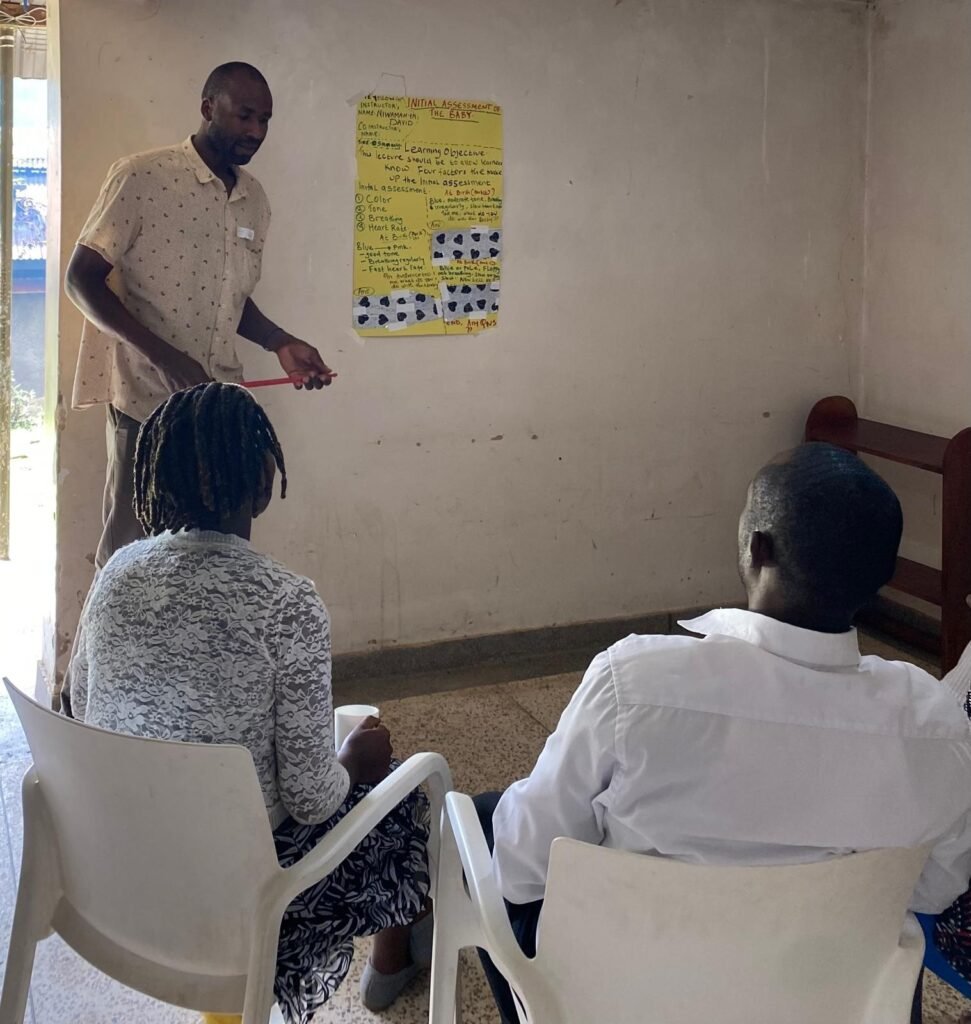
Completion of 2 day GIC course. All candidates thoroughly enjoyed themselves and we saw fantastic progression during the 2 days. Preparation and confidence grew exponentially resulting in a very successful course. The candidates demonstrated flexibility and adaptability through the various teaching modalities. Extremely positive feedback from all participants who are eager to use their newly honed educational skills.
With thanks to the Angus Lawson Memorial Trust (Home – The Angus Lawson Memorial Trust) and Child Health Matters (www.childhealthmatters.org.uk) for helping us make this all happen 🙂
Good question! It stands for a Generic Instructor Course Instructor Candidate. These are people who are already experienced instructors on life support courses (the Neonatal Care Course in this case) who are now learning how to train the next batch of NCC instructors themselves. It is an important step in the sustainability of the Neonatal Care Course programme.
Many healthcare professionals in Uganda, Cameroon, Liberia, India and Zimbabwe have done the Neonatal Care Course (NCC) and learnt about the care of the newborn infant in the first 28 days of life. Selected healthcare professionals from that cohort have trained as NCC instructors and now cascade that learning to their peers informally and formally in NCCs that they run themselves with no input from the NICHE International UK-based team. However the next step whereby countries can train their own instructors has proved a hard nut to crack. We still have to send a very UK heavy team overseas to run Generic Instructor Courses and, because the team has to be 6 or 7 strong and travel is expensive, they don’t take place sufficiently regularly to train up a local team of GIC instructors. As with the NCC instructor training pathway, to become a GIC instructor, you need to be supported on two GIC courses as an instructor candidate and preferably teach on a GIC at least once a year in order to maintain full instructor status.
We are very excited therefore to have experienced Ugandan NCC instructors Elizabeth and Sadias with the team this week doing their first GIC IC training.