The Generic Instructor Course (GIC) is a standardised train the trainer programme designed by the Resuscitation Council UK and the Advanced Life Support Group (ALSG) to teach healthcare professionals the core principles of adult education, simulation facilitation and performance assessment. It focuses on understanding adult learning theories, running skill stations, leading realistic cardiac arrest simulations, and delivering constructive feedback. To our way of thinking, it is one of the best short instructor training courses that there is – and it travels well.
All UK based volunteers with NICHE are fully trained GIC instructors and are all actively involved in training life support course instructors in the UK. It is an intensive 2-day course and each instructor was in touch with their allocated small group of candidates prior to travelling to Uganda, to ensure that they all knew what was expected of them on the course. It is hugely satisfying to share one’s skills and to see how people progress as teachers during the 2 days. It is also humbling and a privilege to train alongside such skilled instructors.
Dr Remy Toko, consultant in Paediatric Emergency & Critical Care at Hull Royal Infirmary (UK) and an Honorary Senior Lecturer at Hull-York medical School, is the course educator
There is an educator on every GIC course, an individual with postgraduate qualifications in medical or nursing education, whose role is to provide direction, specialist educational knowledge, leadership and quality control to the candidates on the course and also the members of the teaching faculty, ensuring that the faculty’s own teaching methods stay up to date. Remy is an active educator in the UK and we are delighted to welcome him to the NICHE team for the first time in Uganda.
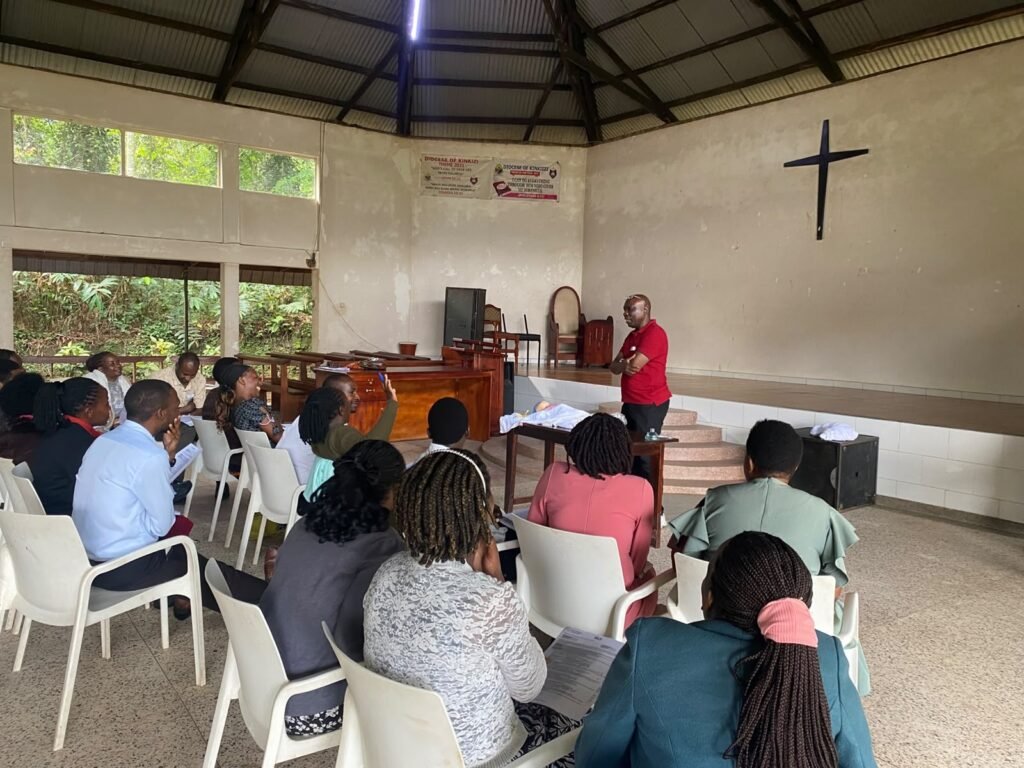
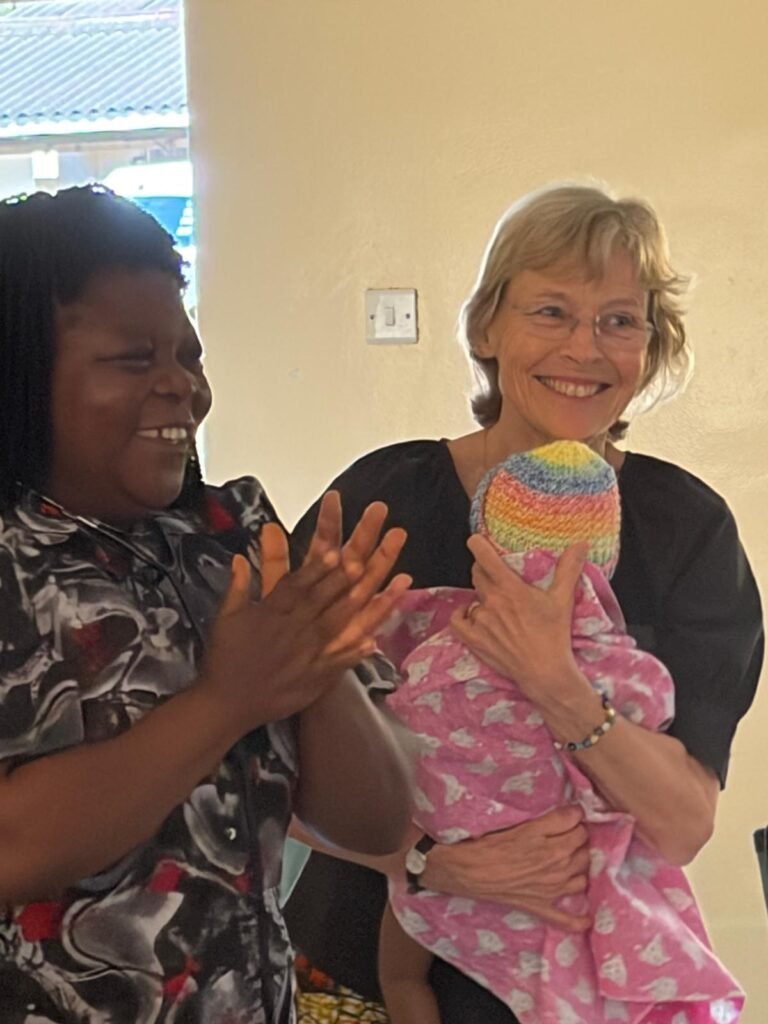
Cath’s update from today: Great first day of GIC. Bwindi team so helpful in preparing the chapel for teaching. The progress during the day developing educational skills was amazing. We embraced a very young 3 week old participant on the course! Great support from the guesthouse team providing refreshments. Looking forward to tomorrow’s course.
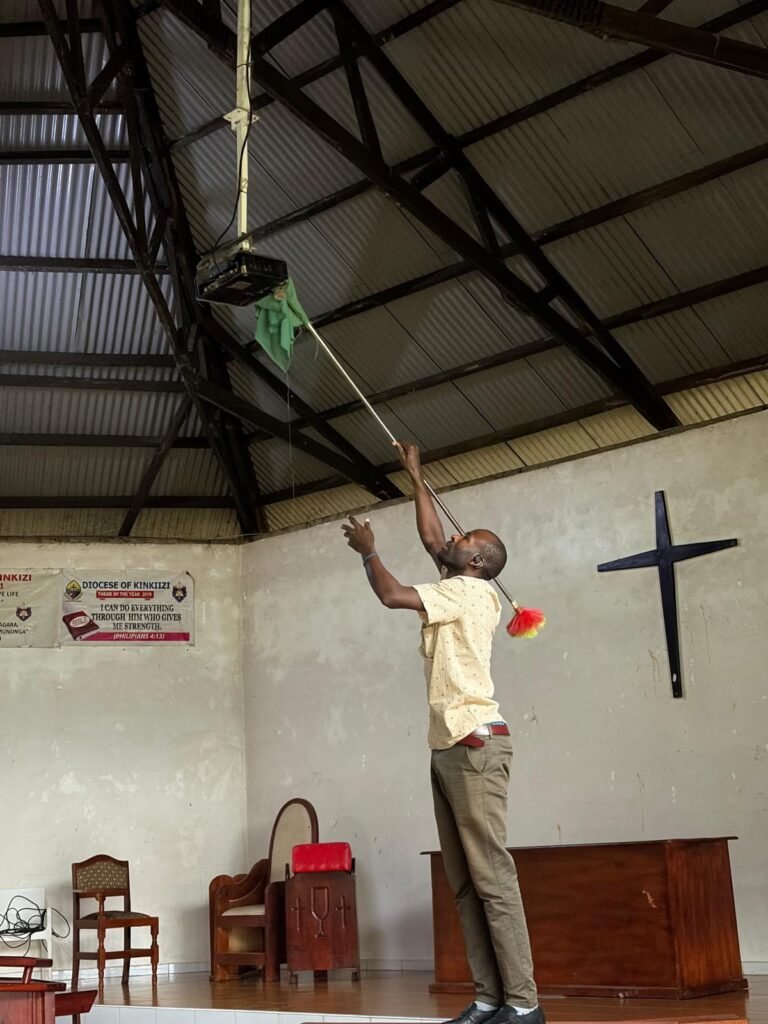
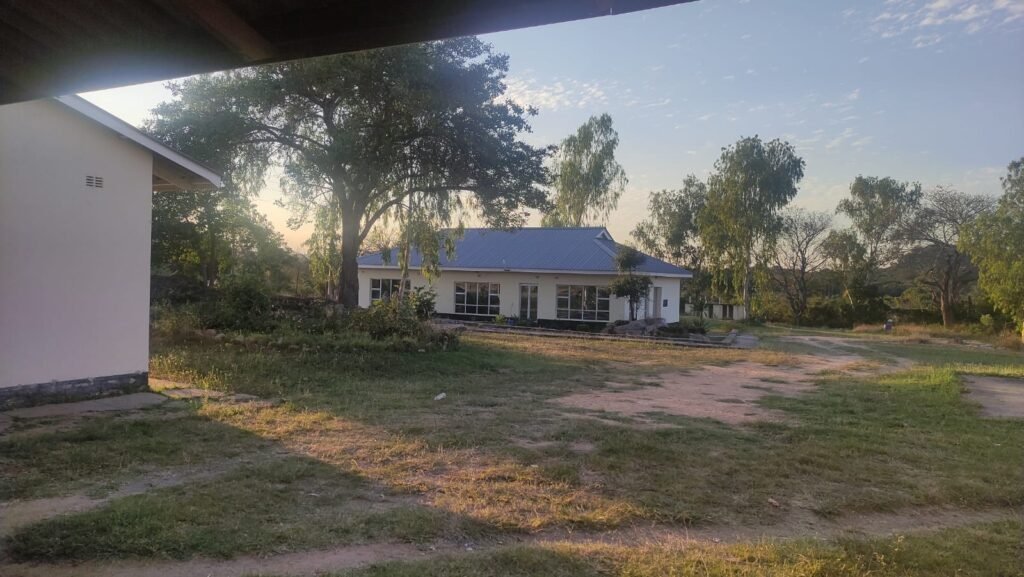
Dusting off the projector in the hospital’s chapel which is where the training takes place
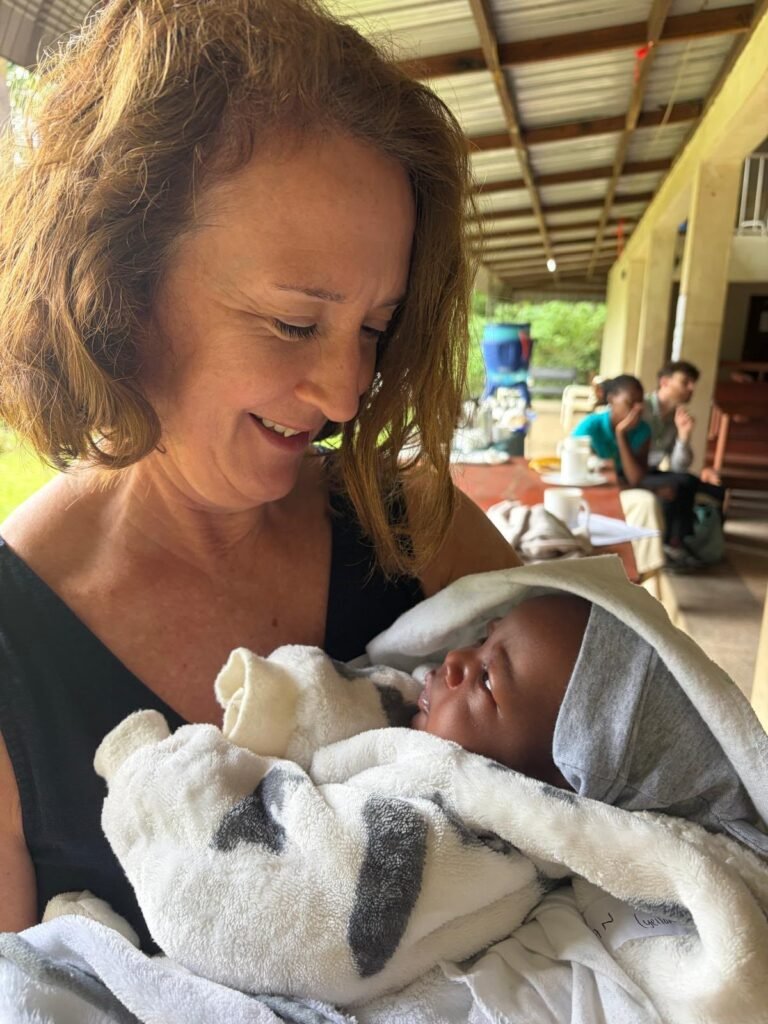
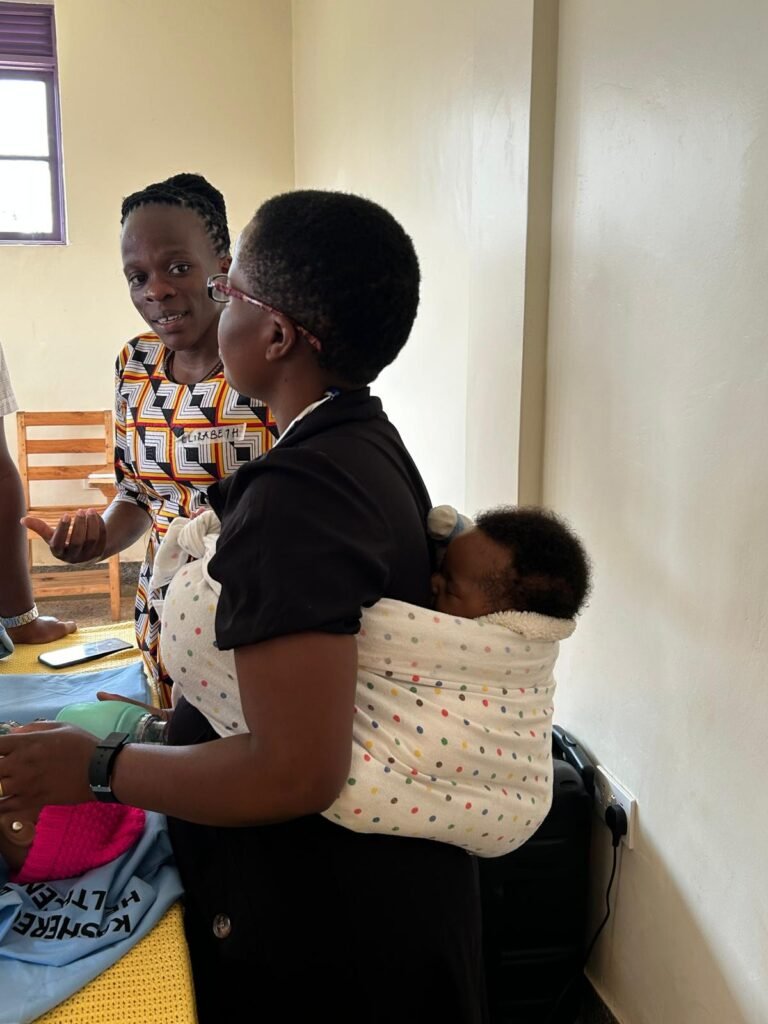
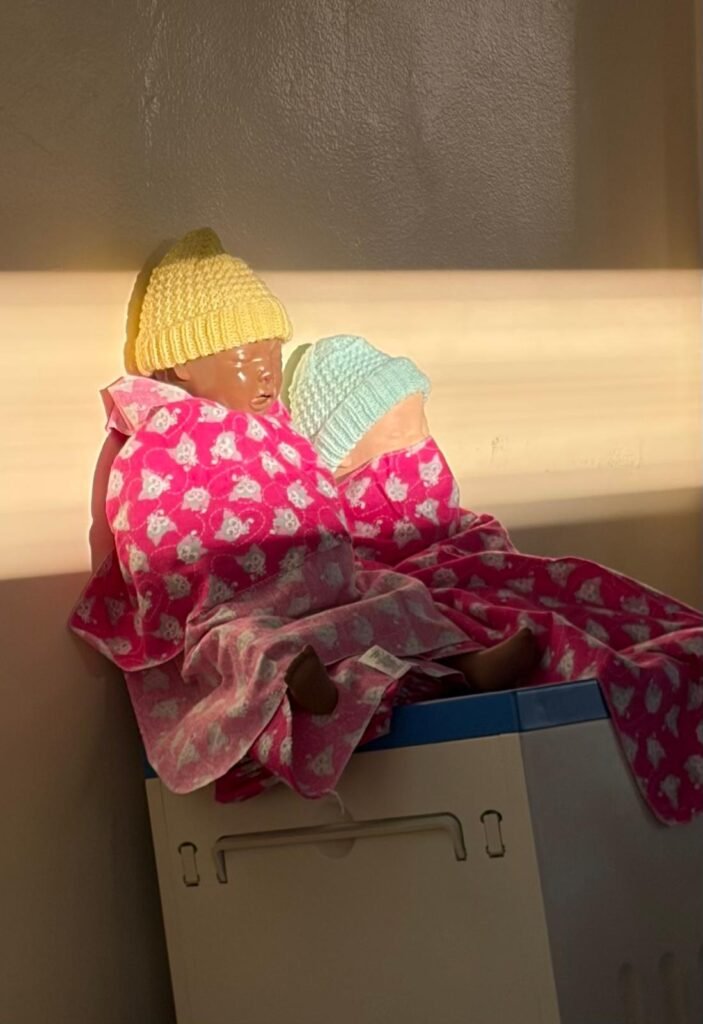
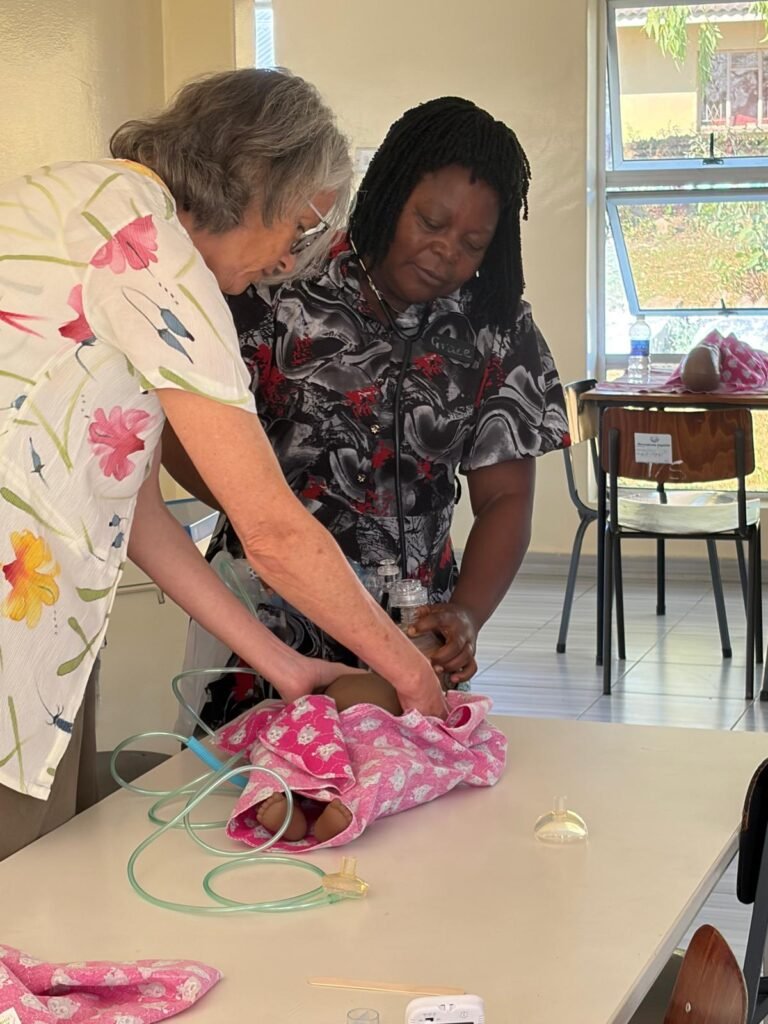
Consultant neonatologist, Cath, with the 3 week old baby of one of the candidates she is currently training to be an instructor – a life size reminder of why the team is in Bwindi currently 🙂
Early morning Lake Victoria on flight from Entebbe to Kihihi, Uganda
Dr Cath Harrison and Jo Bruce-Jones are leading the team currently training more local instructors in Bwindi Community Hospital in south Uganda. Cath writes:
After a long and complicated journey involving flight cancellations and many countries, the NICHE team have arrived safe in Bwindi. We flew from Entebbe early this morning via Kasese to Kihihi with spectacular views. January, our driver, took us to Bwindi Community Hospital guesthouse where we were welcomed again by Daniel and his team. The NICHE instructors, including 3 new-to-NICHE instructors alongside Cath, Jo, Elizabeth and Sadias will be running a GIC course for candidates from Kabale and Bwindi, before supervising the newly trained local instructors while they teach their first two Neonatal Care Courses. A busy week ahead!
In order for the Neonatal Care Course programme to get to full sustainability, a country needs to be able to run its own Generic Instructor Courses to keep training new faculty members. Training up in-country GIC instructors has been a challenge. A major plus is the recruitment of a potential educator for the Cameroonian instructor training courses. Ethel is a nurse educator in Cameroon and currently working as a urology nurse in the UK. Here she is speaking about what motivates her:
Elizabeth on an early morning run when teaching with NICHE in Zimbabwe in April 2026
1. Background
Newborn, Infant and Child Health Education International (NICHE International) is a UK-registered charity whose work focuses on improving the health and survival of babies and children in low- and middle-income countries through education and healthcare training. Its specific objective is to reduce mortality by equipping healthcare workers with practical skills to provide quality newborn care.
NICHE International introduced its neonatal training programme in Uganda in 2022, beginning at Bwindi Community Hospital (BCH). The programme uses two key approaches that is: Neonatal Care Courses (NCCs), which equip healthcare professionals with essential skills to care for newborns during the first 28 days of life, infancy stage and as the grow. Then the Generic Instructor Course (GIC), which prepares selected healthcare professionals to become trainers of the NCCs.
The programme follows NICHE International’s 10-step sustainability approach, with the ultimate aim of developing a strong local faculty capable of independently conducting neonatal training without continued dependence on UK instructors.
2. Ugandan Training Achievements
So far in Uganda, 11 Neonatal Care Courses (NCCs) and one Generic Instructor Course (GIC) have been conducted from 2022 to 2026. The NCCs reached approximately 265 course participants, while 12 healthcare professionals were trained as instructors through the GIC, giving a total of approximately 277 training participations.
22–25 February 2022 – Bwindi: NCC, 24 health workers.
21–22 February 2023 – Bwindi: GIC, 12 instructors.
23–25 February 2023 – Bwindi: NCC, 24 participants.
27 February–1 March 2023 – Bwindi: NCC, 24 participants.
26–28 October 2023 – Bwindi: NCC, 24 participants.
20–22 January 2025 – Bwindi: NCC, 24 participants.
23–25 January 2025 – Bwindi: NCC, 24 participants.
27–29 January 2025 – Bwindi: NCC, 24 participants.
26–28 May 2025 – Bwindi: NCC, 24 participants.
29–31 May 2025 – Bwindi: NCC, 24 participants.
5–6 January 2026 – Kabale: NCC, 25 health workers.
7–8 January 2026 – Kabale: NCC, 24 health workers.
In February 2023, the first Ugandan instructor group completed the GIC, with all 12 instructors subsequently taking responsibility for teaching the NCC at Bwindi and the first independent Ugandan NCC was conducted in October 2023, where six members of the trained Bwindi faculty independently taught nursing students, demonstrating that the programme had successfully moved from externally supported training towards local ownership.
In May 2025, the Ugandan instructors were independently conducting NCCs for final-year nursing students at Uganda Nursing School Bwindi. The training was specifically viewed as a way of preparing newly qualified nurses to carry neonatal skills and confidence into health facilities across Uganda.
3. Development of Local Ugandan Capacity
A major achievement of the programme is the development of a Ugandan neonatal training faculty. The programme initially trained healthcare workers as NCC participants and subsequently selected experienced candidates for GIC instructor training.
As a Ugandan Neonatal Care Course Instructor, I progressed through this pathway from being trained in neonatal care, to becoming an instructor after completing the GIC, and subsequently supporting the delivery and coordination of neonatal care courses in Uganda.
This transition is particularly important because NICHE International’s model is designed to ensure that knowledge does not remain with visiting international trainers. Instead, trained Ugandan instructors are empowered to teach their colleagues and future healthcare workers, creating a cascade of neonatal knowledge and skills within the Ugandan health system. NICHE describes this as the central mechanism through which training becomes sustainable.
4. Impact at Bwindi Community Hospital
The NICHE International programme has made an important contribution to strengthening neonatal care at Bwindi Community Hospital through:
Improved knowledge and confidence in essential newborn care.
Improved confidence in neonatal resuscitation, thermal care and breastfeeding support.
Strengthened recognition and management of neonatal danger signs and emergencies.
Increased practical skills in caring for sick and vulnerable newborns.
Development of a local faculty capable of independently conducting NCCs.
Integration of neonatal training into the preparation of nursing students
Overall Contribution
NICHE International’s programme has moved beyond individual training to sustainable capacity building. By developing Ugandan instructors and continuously training healthcare workers and students, the programme creates a multiplier effect: trained health workers apply and share their skills within their facilities and communities.
The ultimate contribution is to reduce preventable newborn and child mortality by ensuring that healthcare workers caring for babies have the knowledge, practical skills and confidence to provide timely, effective and lifesaving care.
Key Achievement
2022–2026: 11 NCCs conducted, 265 NCC participants trained, 12 Ugandan instructors developed, and neonatal training expanded from Bwindi Community Hospital to healthcare workers in Kabale District.
None of this would have been possible without the initial introduction to the Bwindi community hospital team by Dr Keelan Shaw of Child Health Matters (www.childhealthmatters.org.uk), a charity he and his colleague set up after they did their medical student elective at the hospital a few years ago now. Child Health Matters continues to raise funds for the work that NICHE International does in Bwindi.
Outreach work: Elizabeth teaching on a Neonatal Care Course in Kabale, south Uganda in January 2026
NICHE International is a small UK-registered medical charity working alongside healthcare professionals and partner organisations to improve the care of newborn babies in resource-scarce settings.
Our work focuses on practical neonatal education. The Neonatal Care Course covers essential aspects of care during the first weeks of a baby’s life, including resuscitation at birth, breastfeeding, skin-to-skin care, keeping babies warm and recognising and managing illness.
The course has been developed for use in settings where resources may be limited, using practical approaches and simple equipment. NICHE International has worked alongside healthcare professionals in Cameroon, Liberia, Zimbabwe, India and Uganda, forming long-term partnerships and adapting training to local circumstances.
But for NICHE, delivering a training course is only part of the story.
Building skills that can continue locally
A central part of NICHE International’s approach is supporting local healthcare professionals to become instructors themselves.
By developing local instructors, encouraging peer-to-peer practice and supporting continuing professional development, skills and knowledge can be shared with more colleagues and become embedded within local healthcare services.
This is important to NICHE because sustainable training is not about arriving, delivering a course and leaving. It is about working alongside local colleagues over time, supporting local ownership and creating the conditions for training to continue independently. NICHE describes this approach as a route towards training self-sufficiency, with local faculties eventually able to deliver both the Neonatal Care Course and instructor development themselves.
A recent journey by Grace in Cameroon shows what that ongoing support can look like in practice.
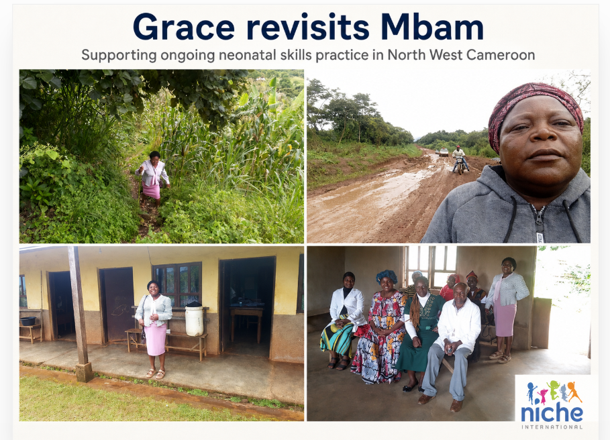
Four photographs from a follow-up visit to Mbam in North West Cameroon, showing the journey through the rural area, the health centre and members of the health centre team.
Returning to Mbam
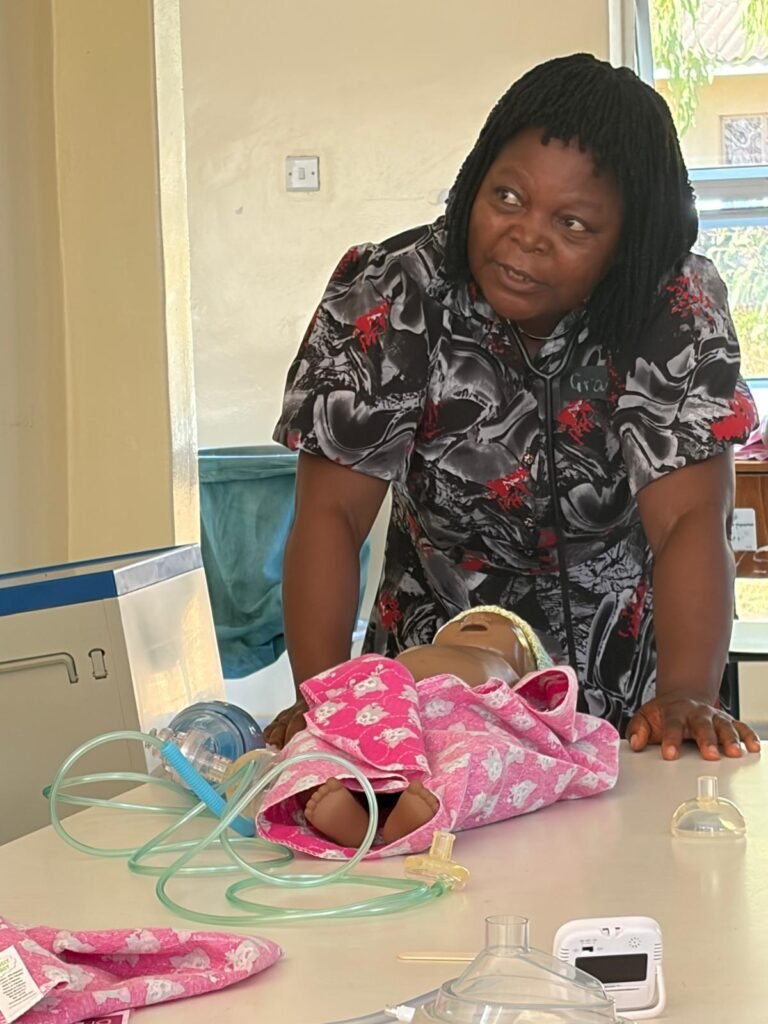
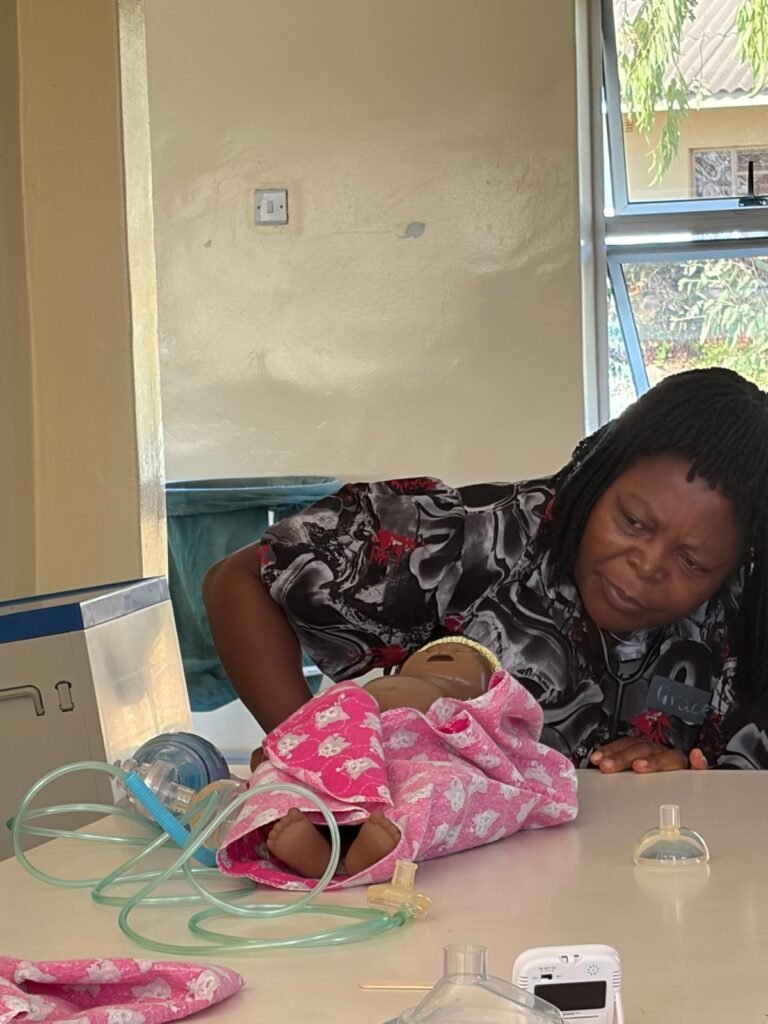
Last year, Grace delivered neonatal training at the health centre in Mbam, a remote village in the North West Region of Cameroon. You can read about her first trip at Neonatal Care Course in a remote village in Cameroon – NICHE International. This month, she made the long journey back to visit the health centre, see how the team were getting on and take them a baby manikin so that staff can continue practising newborn resuscitation skills.
Reaching Mbam is no straightforward journey. Grace first travelled overnight by bus, followed by four-wheel drive and motorbike. On this visit, difficult road conditions made the journey even more challenging. The vehicle broke down in the mud and Grace continued by motorbike for around eight hours.
The photographs she sent give a glimpse of both the journey and the health centre she was returning to.
Communication presents another challenge. There is no phone network in Mbam, so Grace had to climb a nearby hill to find enough signal to send an update and share the photographs from her visit. Behind those extraordinary practical details is something very important: follow-up.
Training does not end when the course finishes
Clinical skills need to be practised and refreshed. Providing the health centre with a baby manikin means staff have an opportunity to continue practicing newborn resuscitation after formal training has ended. Grace’s return also gives colleagues an opportunity to discuss how things are progressing and to maintain the connection established during the original training.
This reflects NICHE International’s wider approach. The charity aims not only to provide neonatal training, but also to support healthcare professionals to share knowledge, practise together and develop the local teaching capacity needed for training to continue in the longer term. The charity’s Trustees’ Report identifies training local instructors and encouraging peer-to-peer skills practice as central to making its programmes sustainable.
NICHE also recognises that learning is collaborative. Healthcare professionals working in their own communities bring knowledge and experience that visiting instructors do not have. The charity’s approach therefore emphasises partnership, mutual learning and locally led solutions rather than one-way teaching.
Grace’s visit to Mbam is a simple but powerful example of that principle in action: returning, listening, supporting practice and helping locally led neonatal education continue.
Supporting NICHE International
NICHE International is a small charity supported by volunteers, fundraising and charitable donations. Its volunteer instructors include doctors, nurses and resuscitation officers with clinical and teaching experience, who give their time to support neonatal education and instructor development. Donations help NICHE continue working alongside healthcare professionals and partner organisations, supporting training, instructor development and the practical resources needed to maintain skills.
If you would like to support NICHE International, you can donate, fundraise for the charity, share its work with others or help raise awareness of its approach to sustainable newborn care education.
Find out more about donating to NICHE International here:
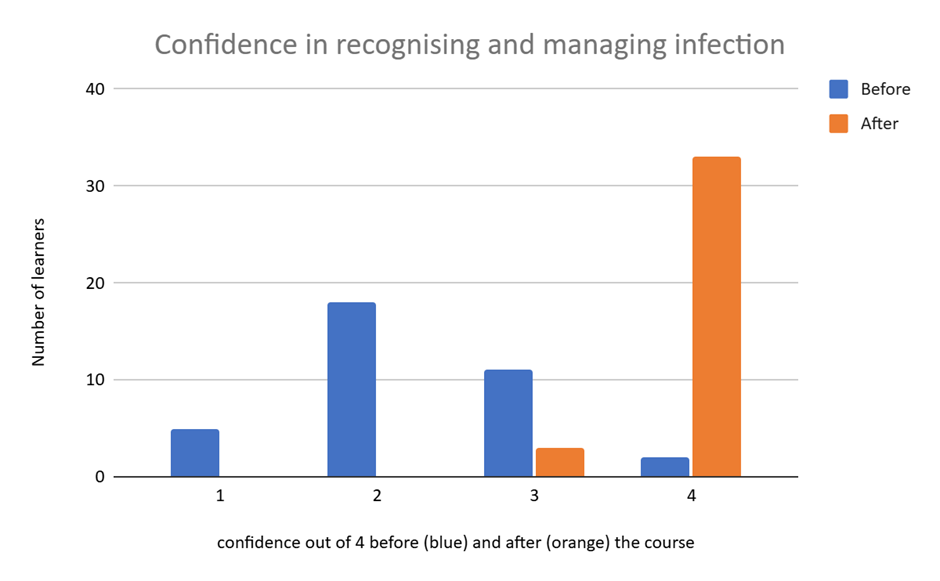
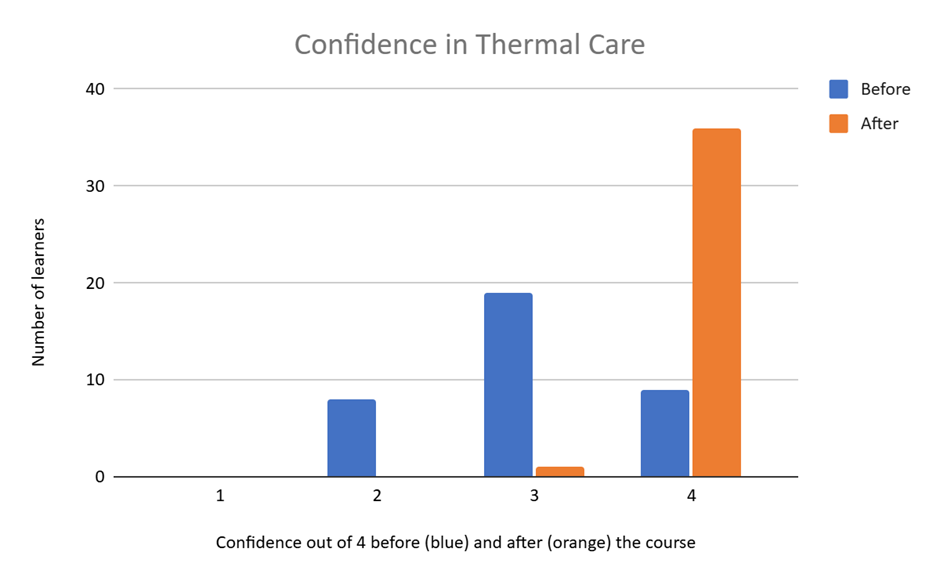
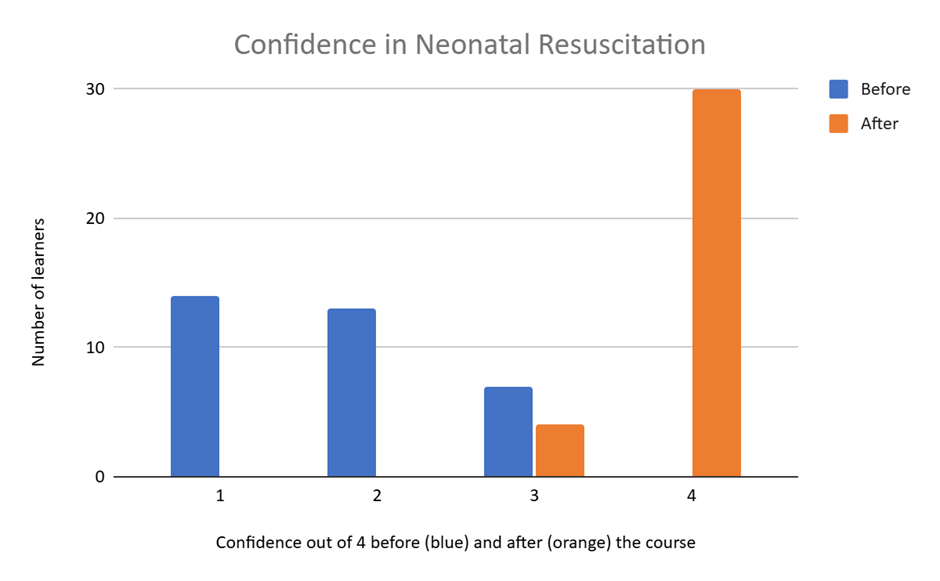
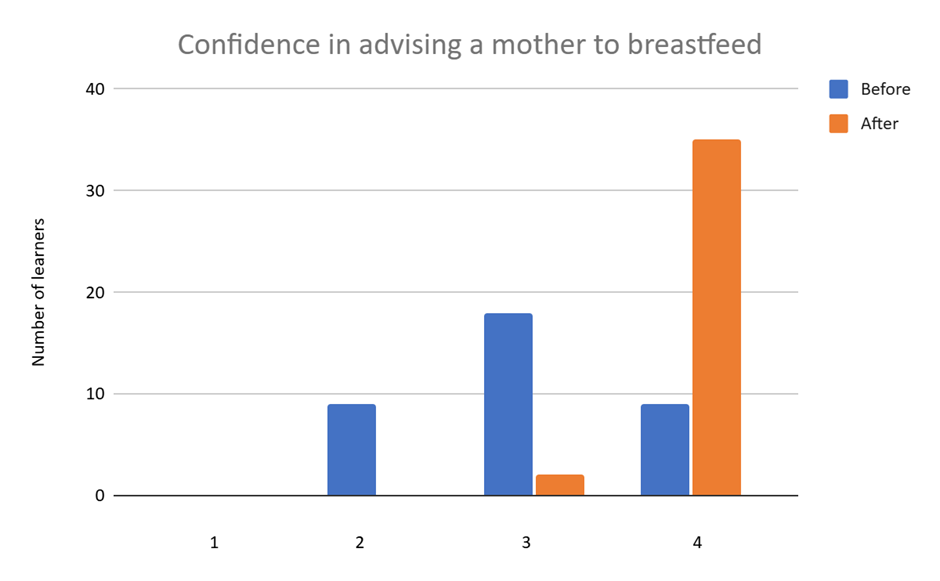
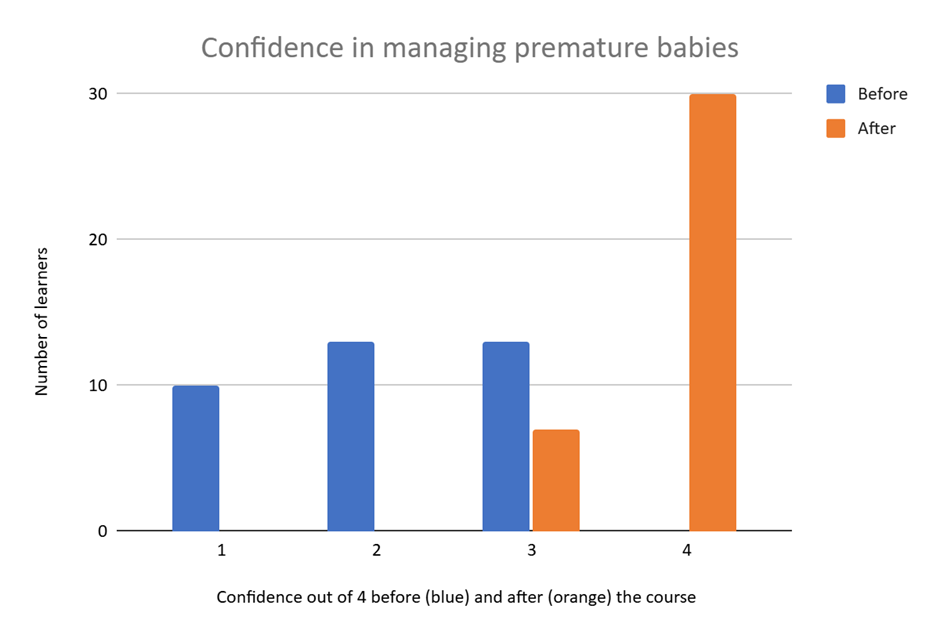
NICHE collects feedback on increased confidence levels in certain skills taught on the Neonatal Care Course. Proving that neonatal mortality is falling as a result of our project is our long-term aim but measuring this outcome is a challenge. There are so many confounding factors in any clean data that is actually collected that it is almost impossible to prove that one intervention like this has any statistically significant effect on neonatal mortality.
It is more productive to measure shorter term outcomes which are known to correlate positively with an improvement in neonatal survival. We gather feedback from our learners on the usefulness of the course, their prior experience, suggestions for the future etc. but also on their increase in confidence levels in the practice of various skills taught on the course. The template for our feedback forms is based on one promoted by the UK’s Royal College of Paediatrics and Child Health for use on training courses.
Variations in self-confidence are known to influence motivation and tend to predict performance success. Research has shown that health professionals with confidence are more likely to “have a go” at things they have learnt about and, with this attitude and an appropriate level of supervision, will come increasing competence over time.
The increase in confidence in managing premature babies is particularly important in Zimbabwe where preterm births make up a higher percentage of neonatal deaths than in other comparable countries for reasons which are not immediately clear.
Some of the free text comments:
The course was empowering and I feel confident to handle any neonatal cases also teach the practical skills as this is part of my work. I liked the unique practical sessions with a lot of activity and practise. Thanksyou!
I liked the use of CPAP and cleaning of filters. I also liked the delay to remove baby on skin to skin for baby to find its mother’s breast. Thank you for teaching us and giving us knowledge. Call again.
I liked that the course was very interactive. The small groups are really useful in boosting confidence. I enjoyed the simulations & a safe environment for learning, not testing/examining.
The course taught a lot abnout management of neonates and how to identify problems associated with newborns. i suggest the course continue to be done to more health care workers conry wide to promote neborn care and reduce neonatal mortaity.
The facilittors explaained really well and were really knowledgeable aand encouraging. Gained a vast amount of practical skills and my confidence has improved greatly. Maybe if the course could be longer to gsin more skills.
the course was very informative and educative empowering me to care for the baby preterm, unwell and how to improvise CPAP machine using the oxygen concentrator very good to know about it. I was well equipped with the information and like to meet the whole group. You were excellent teachers
Very educative, felt empowered. God bless you all.
Feedback is always good about the method of teaching and content and it is rewarding to see that people felt supported and safe. We always receive comments about the course needing to be longer (but can’t do much about that). We removed the assessment element this time round and we were pleased to see a positive comment on that. I personally am delighted to see the word “empower” appear throughout the feedback because – for me – that is what it is all about: empowering the frontline healthcare workers (including ourselves) to change practices for the good of the babies we are all so motivated to help.
“Good evening team, I would to express my sincere gratitude to all of you. Your dedication and commitment to the program will always be cherished. We learned a lot in the past 2 days. The knowledge and skills you have impacted in each and every one of us will go a long way in the reduction of neonatal deaths here at Murambinda . May the Mighty Lord bless you and your families. I wish you a safe travel.” Matron
Nursing and midwifery school demonstration and teaching block on Murambinda Hospital site – a great facility for the course
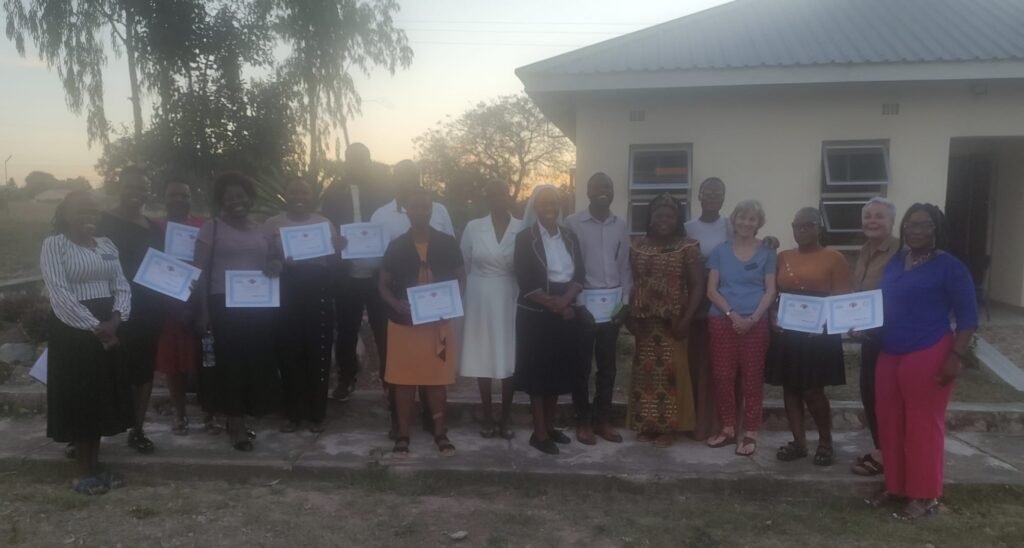
45 healthcare staff have been trained on the Neonatal Care Course and 12-15 people were identified as having instructor potential. We were incredibly well looked after in Murambinda and none of us wanted to leave! All team members are now safely back in our respective countries (Uganda, UK and Cameroon) and hoping to be part of the instructor training faculty who returns to Zimbabwe later this year or early in 2027.
Mwerihari River which runs right through Murambinda Growth Point – beautiful at sunrise
The equipment – funded by Friends of Murambinda – has all been left in Murambinda for use on future courses
“Congratulations mummy, your baby is now all right and you can breastfeed!”
We’ve had another good day today – very keen learners including some senior nurses and midwives from the hospital and nurse tutors from the on site nursing training school. We were shown around the hospital afterwards and were delighted to see the space being set up as a neonatal unit in the maternity department. And, of course, the Kangaroo Mother Care (KMC) facility with a very happy new mother and baby snuggled up under a blanket together.
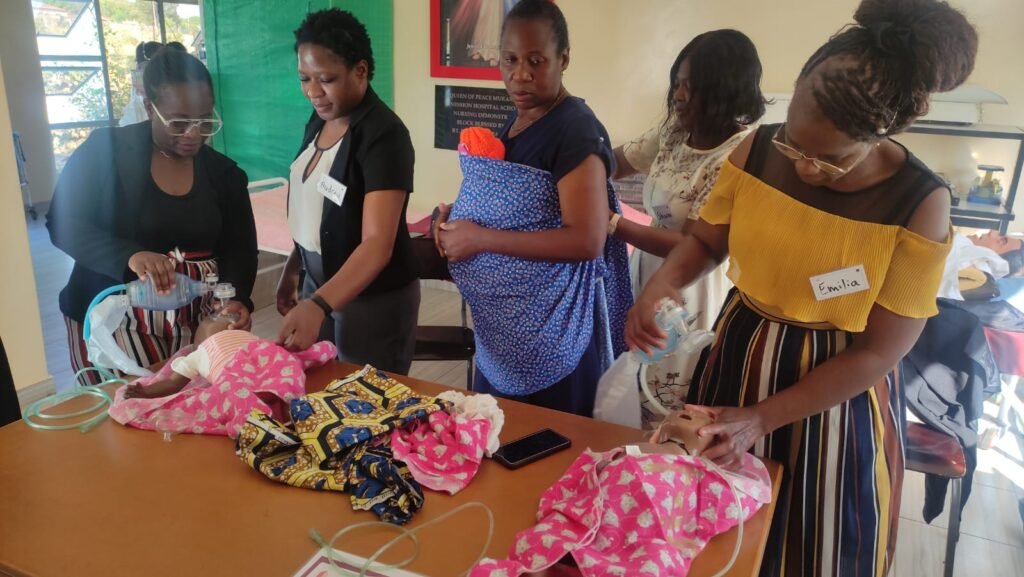
We always invite people to come early on Day 2 of the Neonatal Care Course to practice their bag-valve-mask skills. We weren’t necessarily expecting all of them! They are a very keen group.
Course number 2 starts tomorrow here in Murambinda, Zimbabwe.