Opening the second course in Varanasi

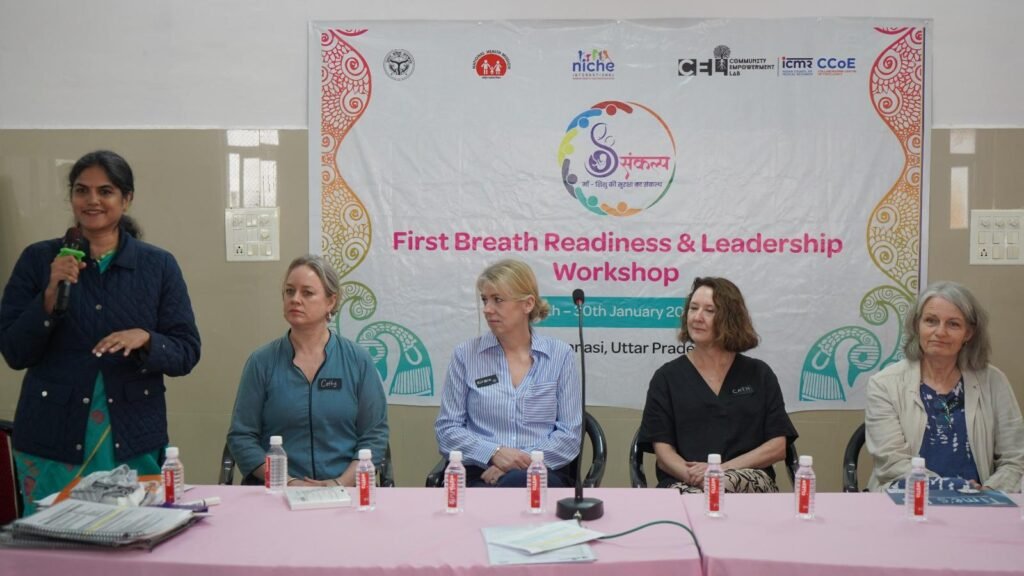
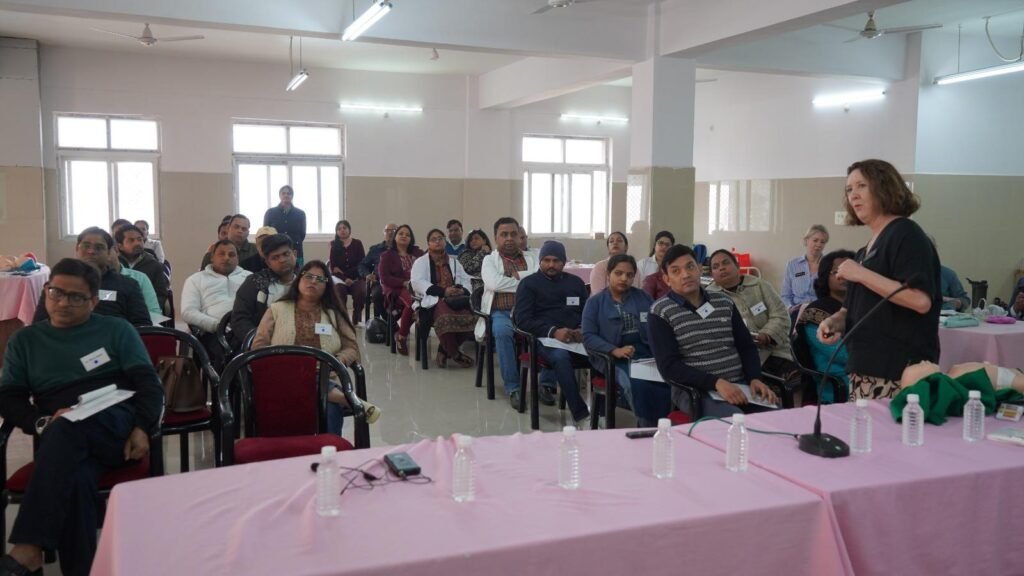
Ms Aarti Kumar, CEO of CEL and one of its co-founders, opening the First Breath Preparedness and Leadership Workshop

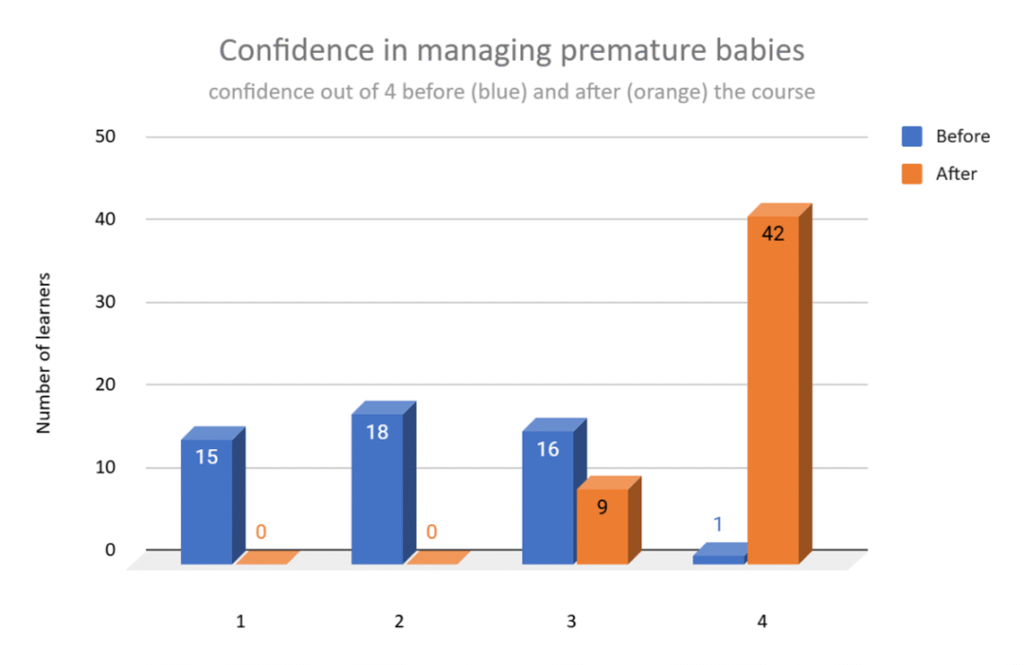
Our learners on both courses have been medical officers, mainly medical graduates with some homeopathy graduates and those from an Ayurvedic background (Ayurvedic Medicine: In Depth | NCCIH). We have had over 30 learners on each course with a wonderful sense of engagement with particularly the simulation aspect of it.

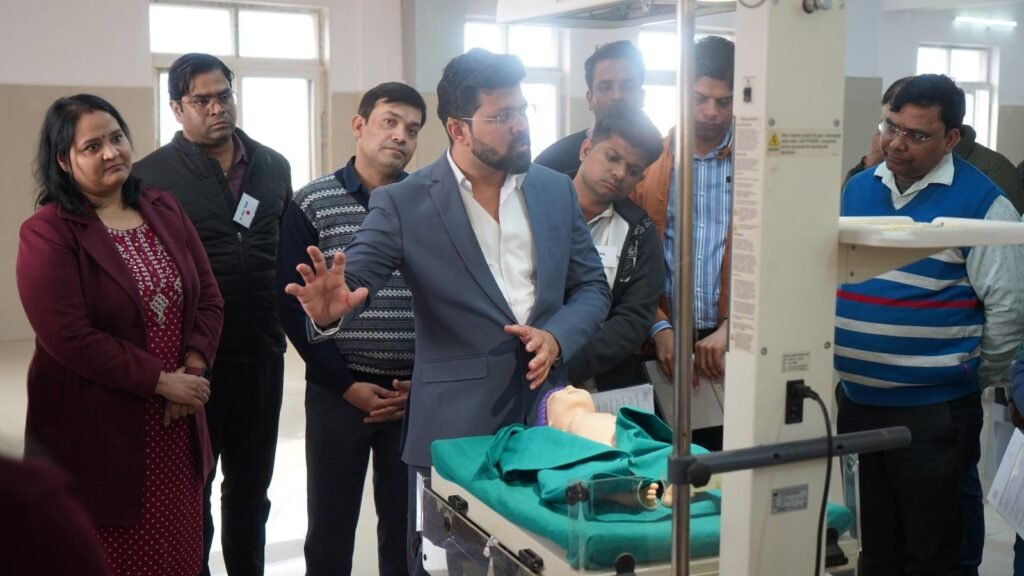
NICHE’s India champion, Dr Ajinkya Kale, teaching colleagues on the importance of airway positioning
The team all set up and ready to go at the start of the course
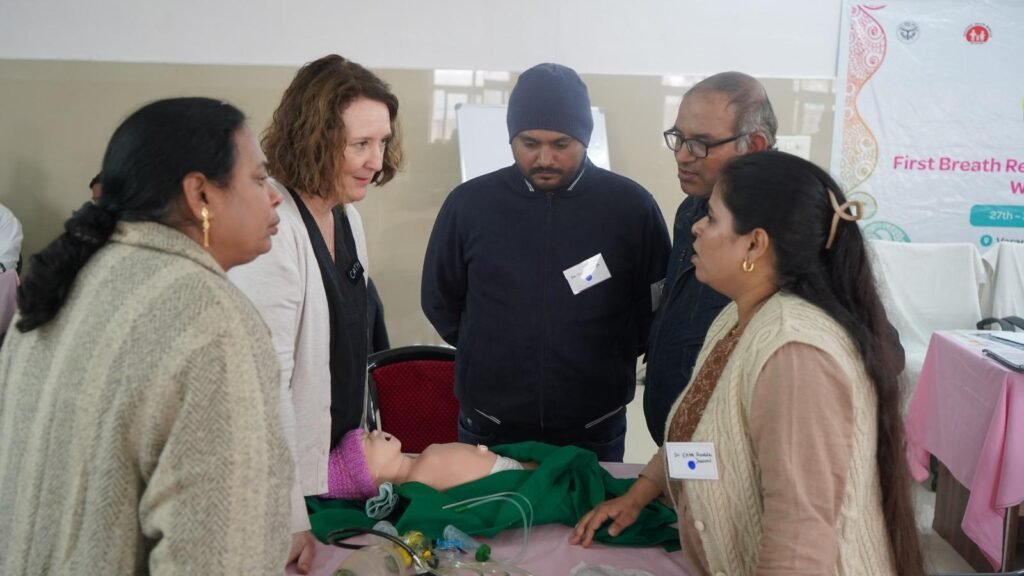
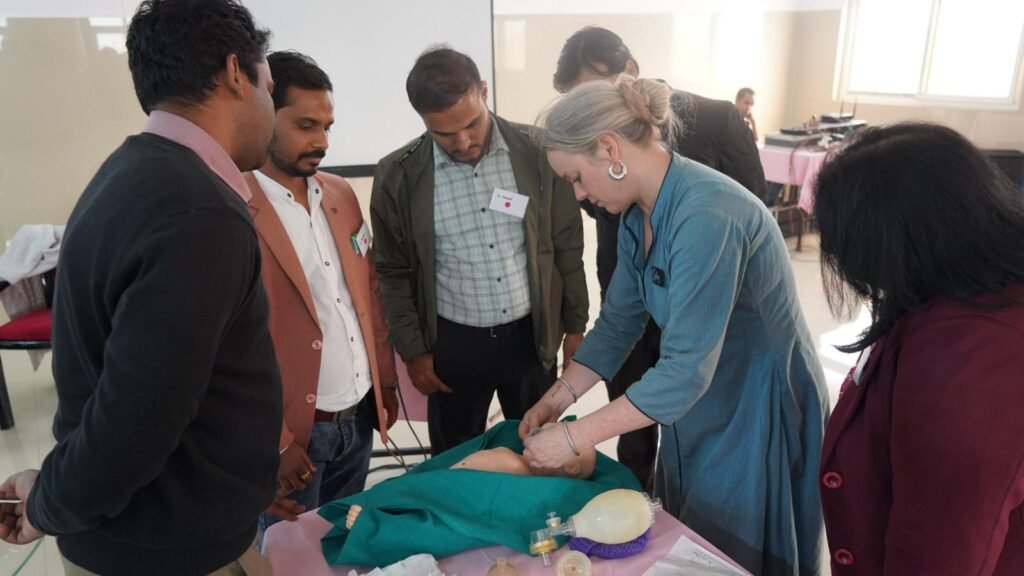
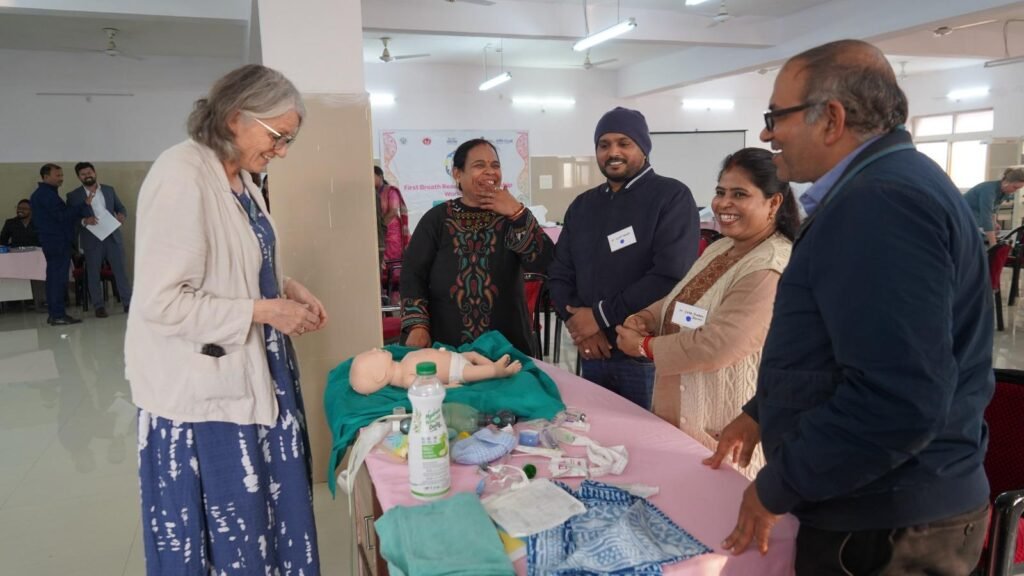
Cathy demonstrating how to size up a face mask to her group of learners
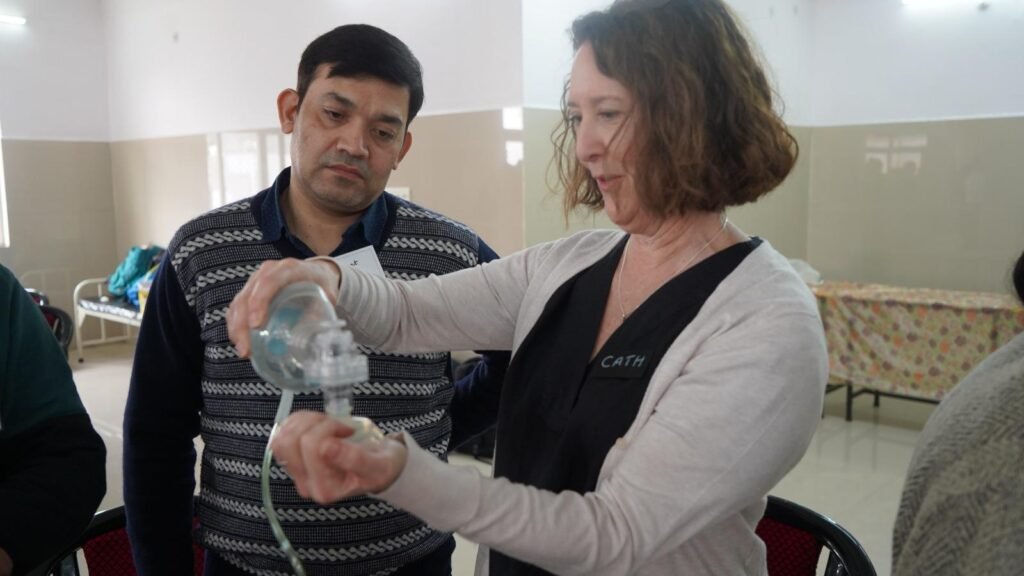
Cath demonstrating the pop-off valve on the life-saving Bag Valve Mask (BVM) system
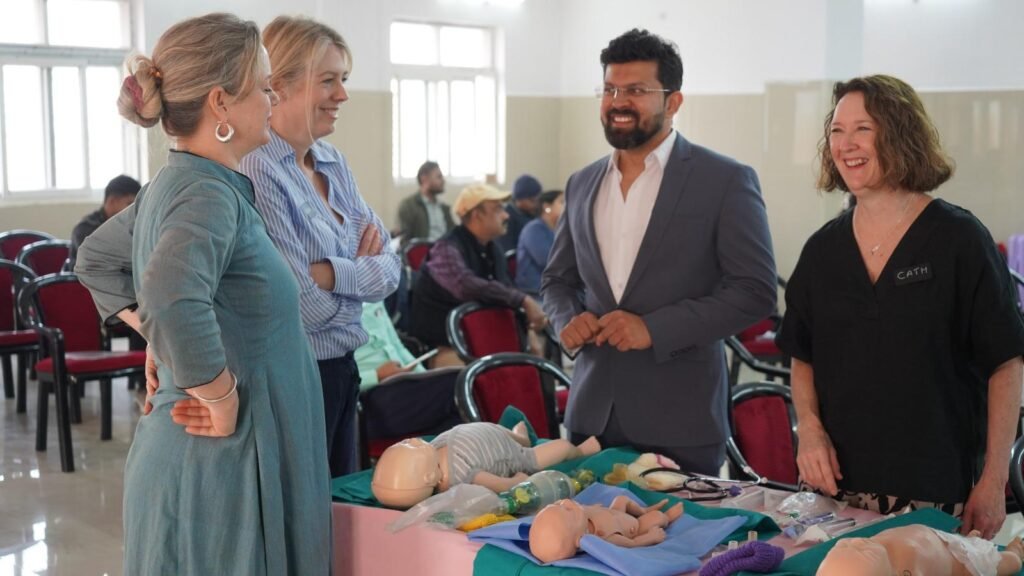
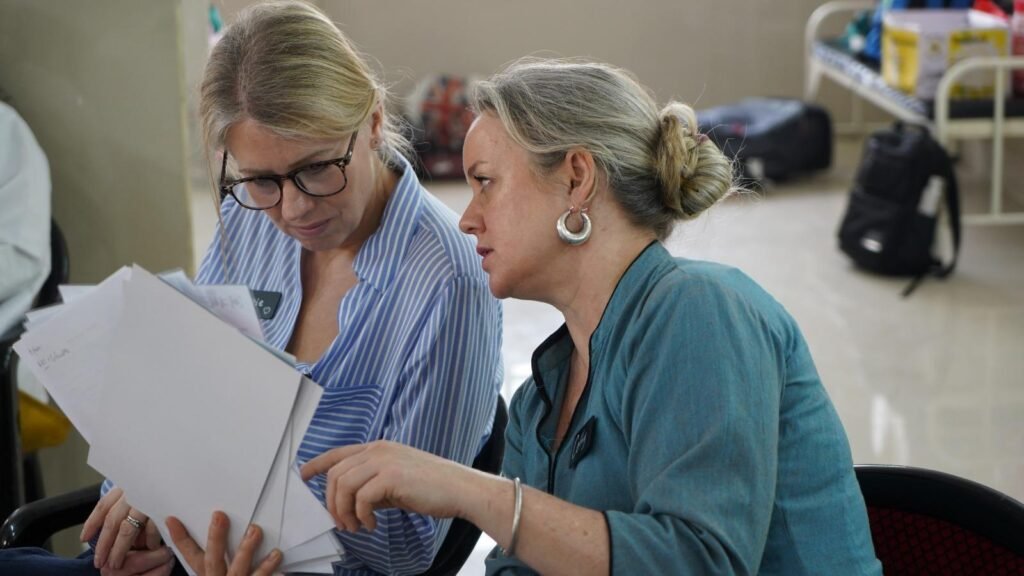
Kirstie and Cathy making practical adjustments to a course that was specially written for this trip to Varanasi
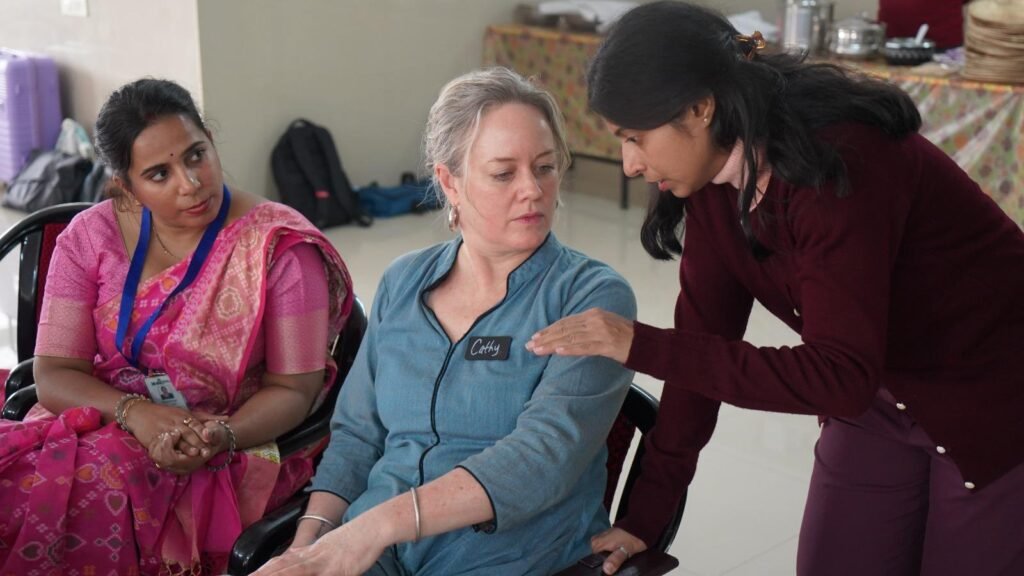
Cathy has worked as a midwife in India for 2 years and is well known and respected by the women here
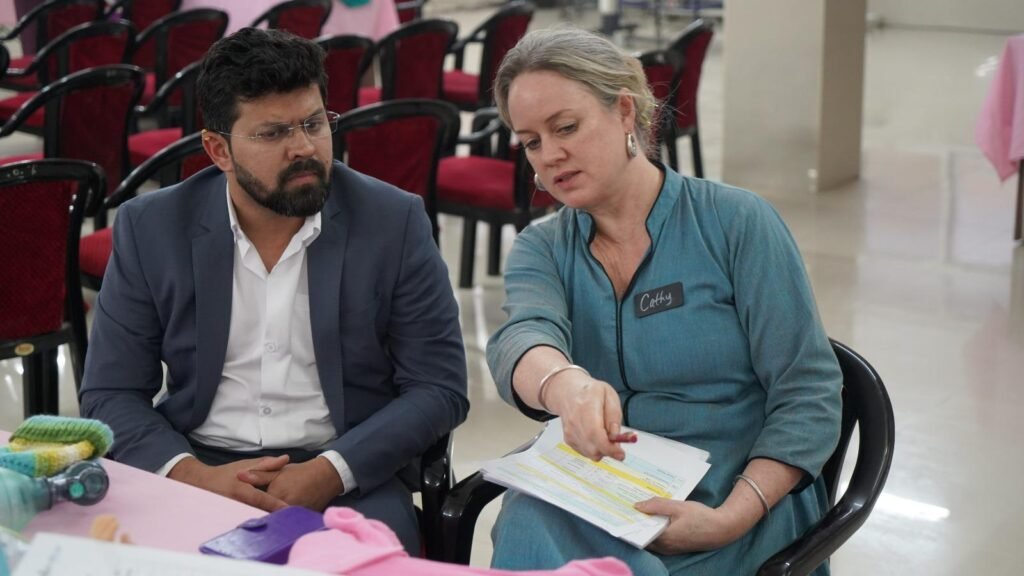
At the end of the day, it’s all about collaboration

170,000 newborn deaths in Uttar Pradesh per year

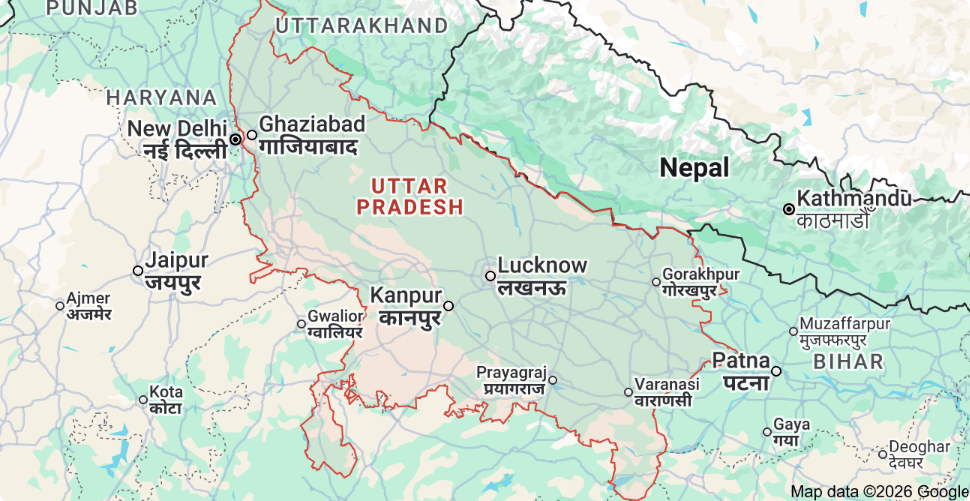
NICHE instructors are teaching in Varanasi in the south east of UP

The densely populated Uttar Pradesh (UP) state in India is the size of France and has a massive population of over 240 million. Still, it’s toll of around 170,000 newborn deaths each year (around 28 deaths per 1000 live births) is quite shocking. 40% of neonatal deaths occur during delivery or within the first 24 hours after birth. The Community Empowerment Lab believes that 70% of these could be prevented with simple interventions without the need for intensive clinical care and they have done a huge amount of work on trying to prevent neonatal deaths.

The leading causes of newborn deaths include premature birth (35%), neonatal infections (33%), birth asphyxia (20%) and congenital malformations (9%).  [https://www.drishtiias.com/state-pcs-current-affairs/child-mortality-rate-in-uttar-pradesh]

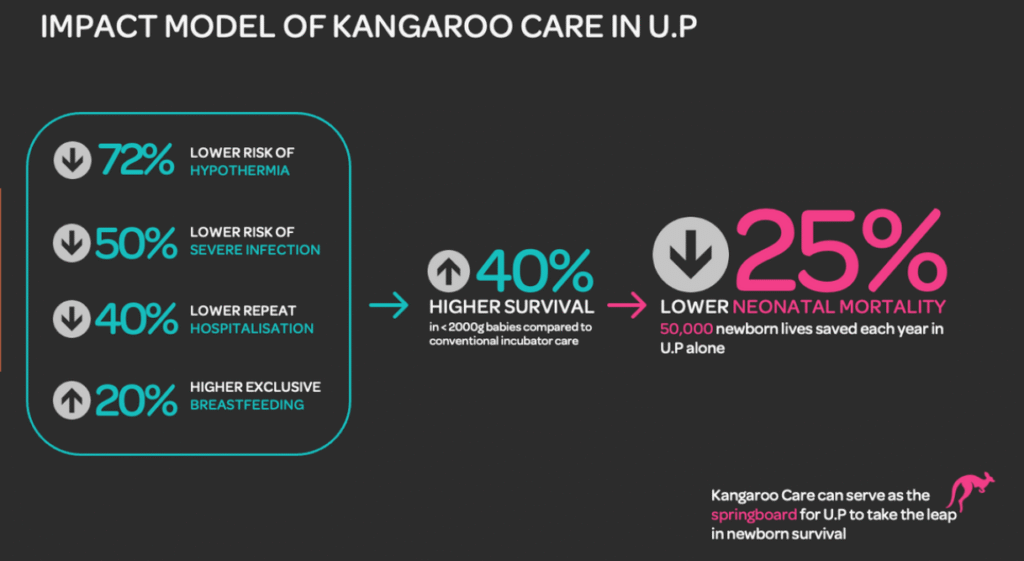
One of these simple interventions is Skin-to-skin care, also called Kangaroo Mother Care (KMC). CEL’s research on the state’s KMC programme has shown fantastic results:

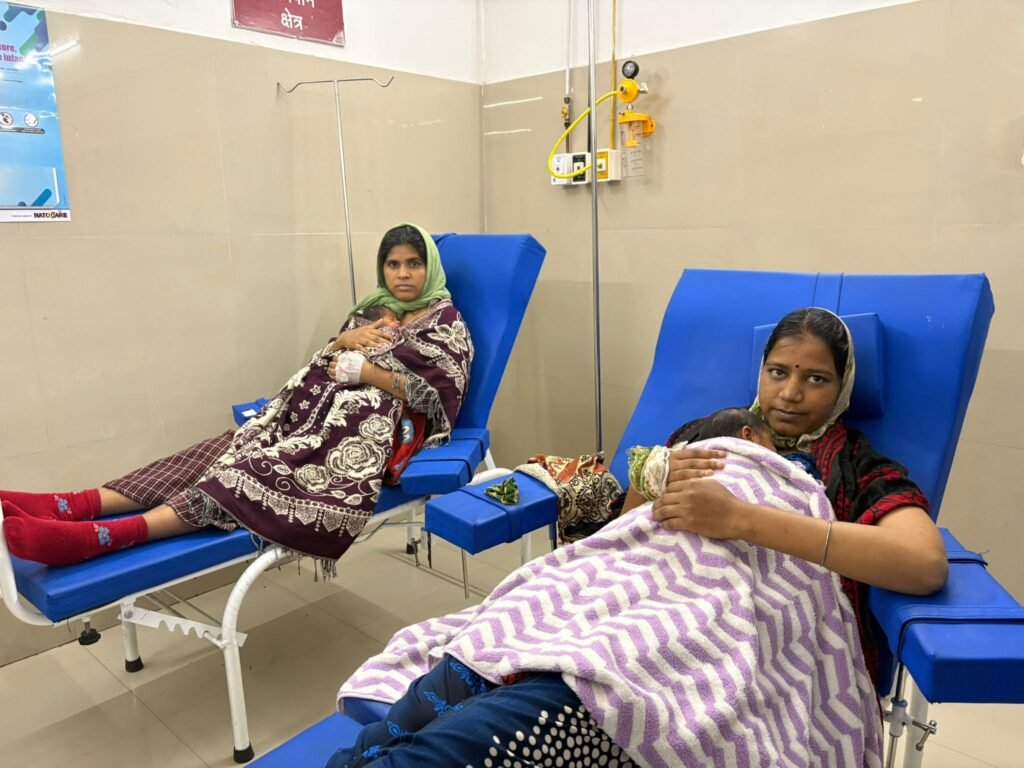
We went to the neonatal unit of the hospital we are teaching in to see KMC in action:

Mothers with preterm babies in KMC on the neonatal unit. The World Health Organisation now suggests that small babies should be in KMC for at least 8 hours a day.
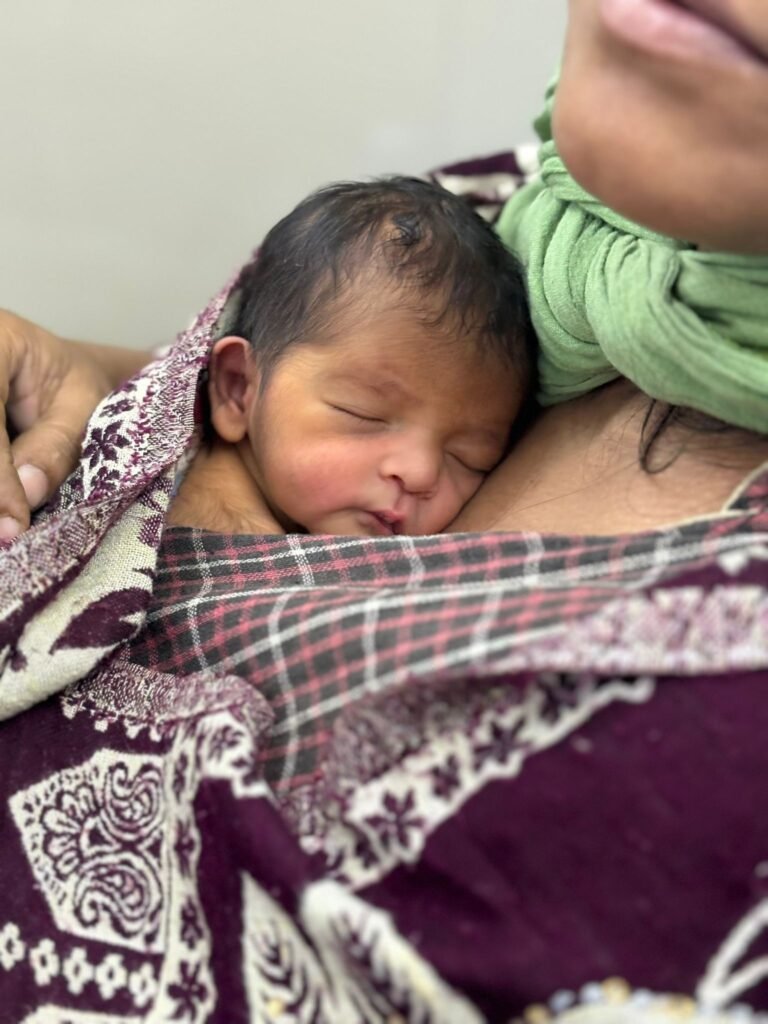
That is one happy baby!

Varanasi course 1

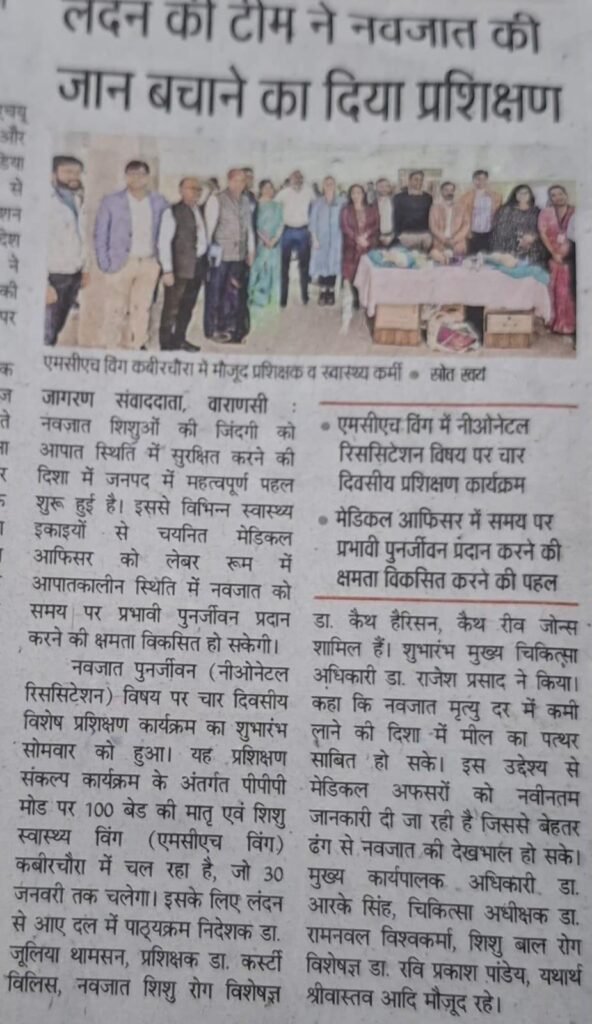
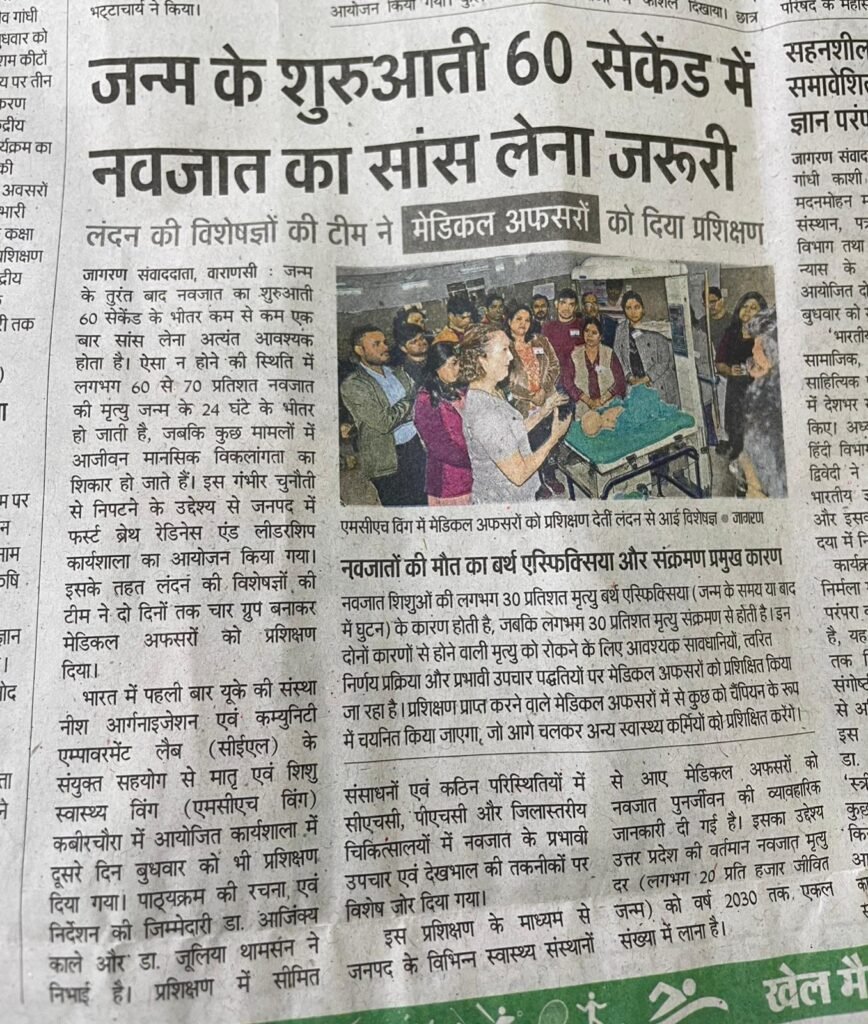
A few photos from day 1 of our 2 courses in Varanasi where we are teaching in collaboration with the Community Empowerment Lab, a not-for-profit community entrenched global health research and innovation organisation based in Lucknow.

31 medical officers from across Varanasi have turned up for a 24 person course. Teaching groups of up to 8 is challenging but we’re loving the enthusiasm.

Cath lecturing on newborn physiology
Simulation is a very different way of learning for many of these health professionals but it seems to be going down well

All systems go for Varanasi, India!

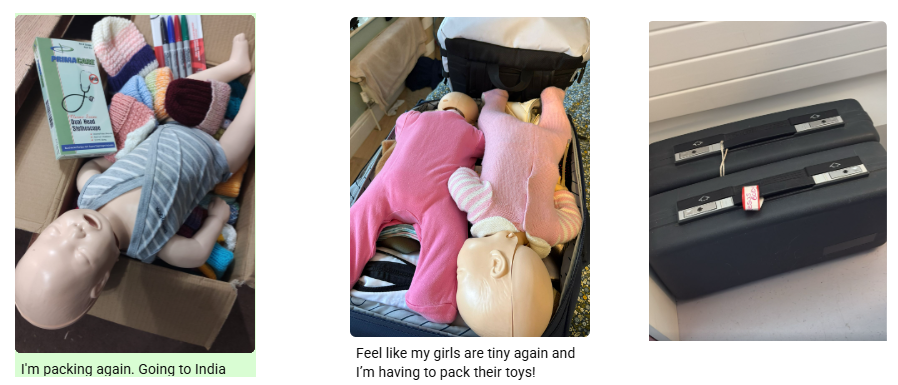
The challenge of transporting manikins. These ones will be left in Varanasi for on-going training of health care professionals and instructors.

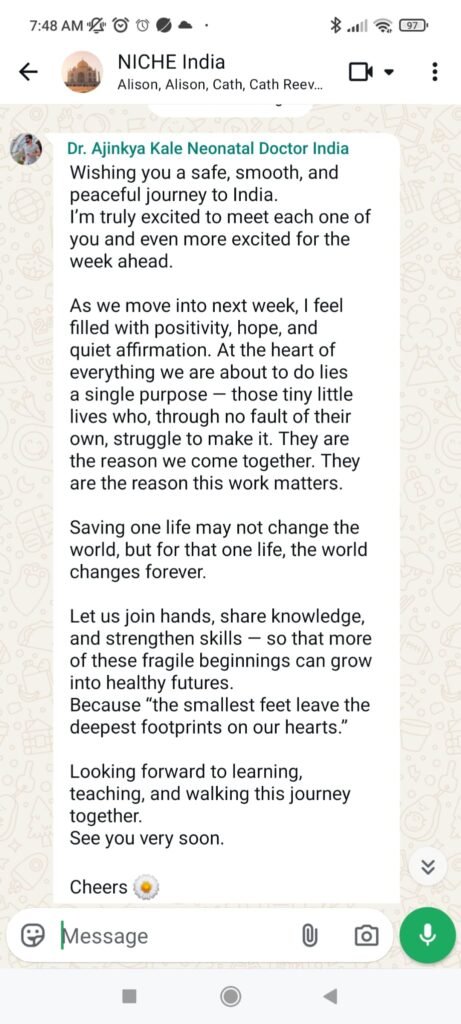
In the excitement of packing, last minute changes to the teaching programme (and content) and a near miss with one of our visas, Ajinkya’s message this morning reminds us all of just why we volunteer with NICHE International:

The Indominatable Grace (Cameroon update)

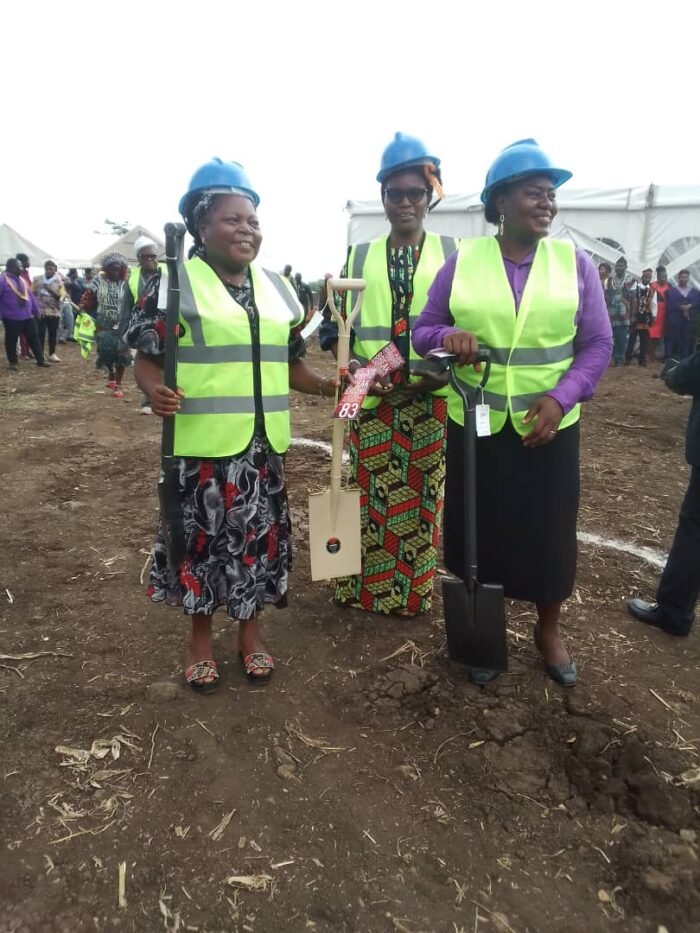
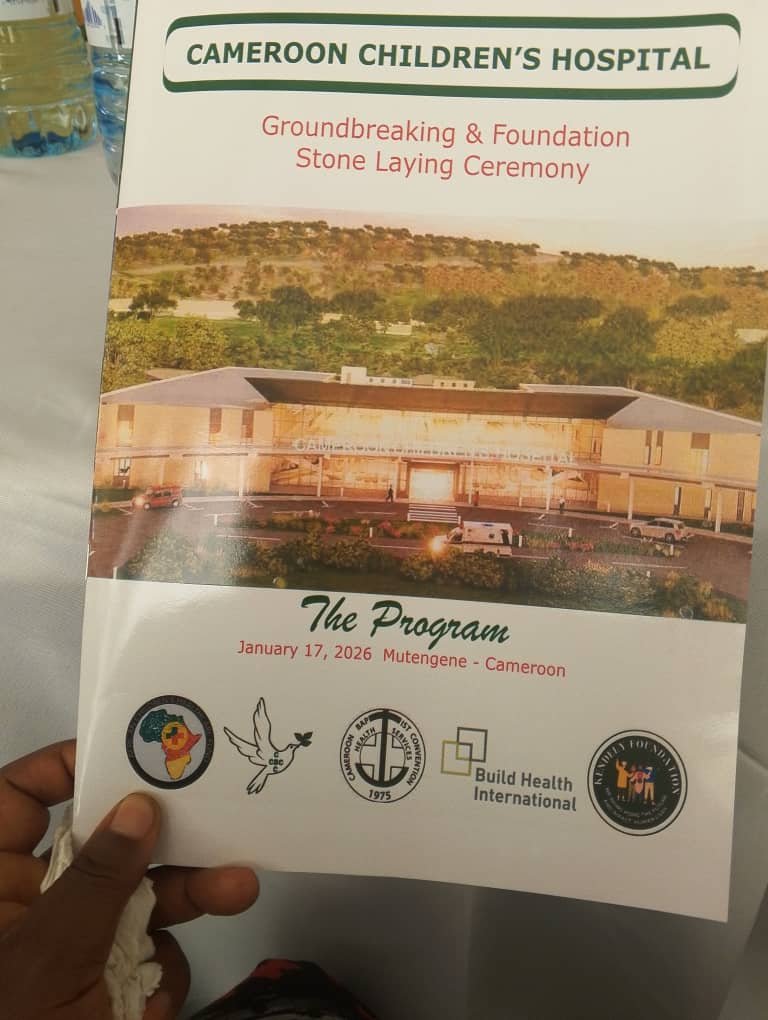
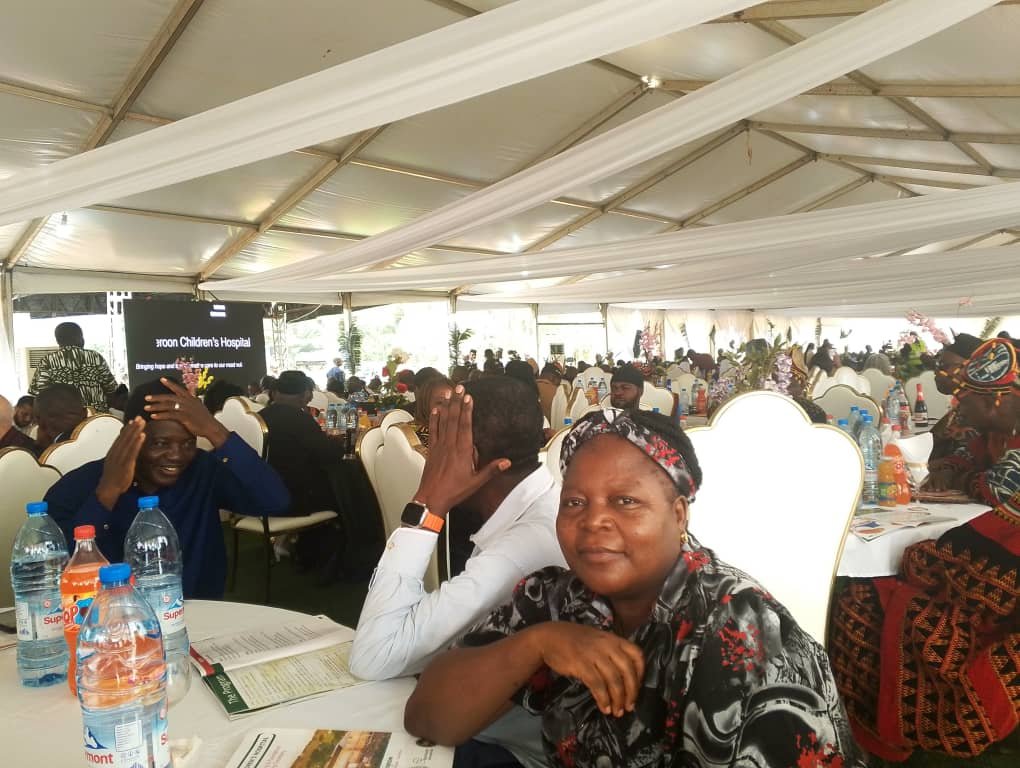
This weekend in Mutengene, Cameroon, Grace was invited to help lay the foundation stone of the new Children’s Hospital. We are so incredibly proud of her and what she is doing for newborn babies in Cameroon.

Grace’s WhatsApp message to us reads: “To support what you started. Thanks immensely for the great sacrifice“. We have never felt so humbled.
What an amazing driver for change

Reflections of a Ugandan instructor

Julia asked Sadias to reflect on what learning – and now teaching – the Neonatal Care Course had done for him as a clinician and for the care of newborn babies in Uganda.

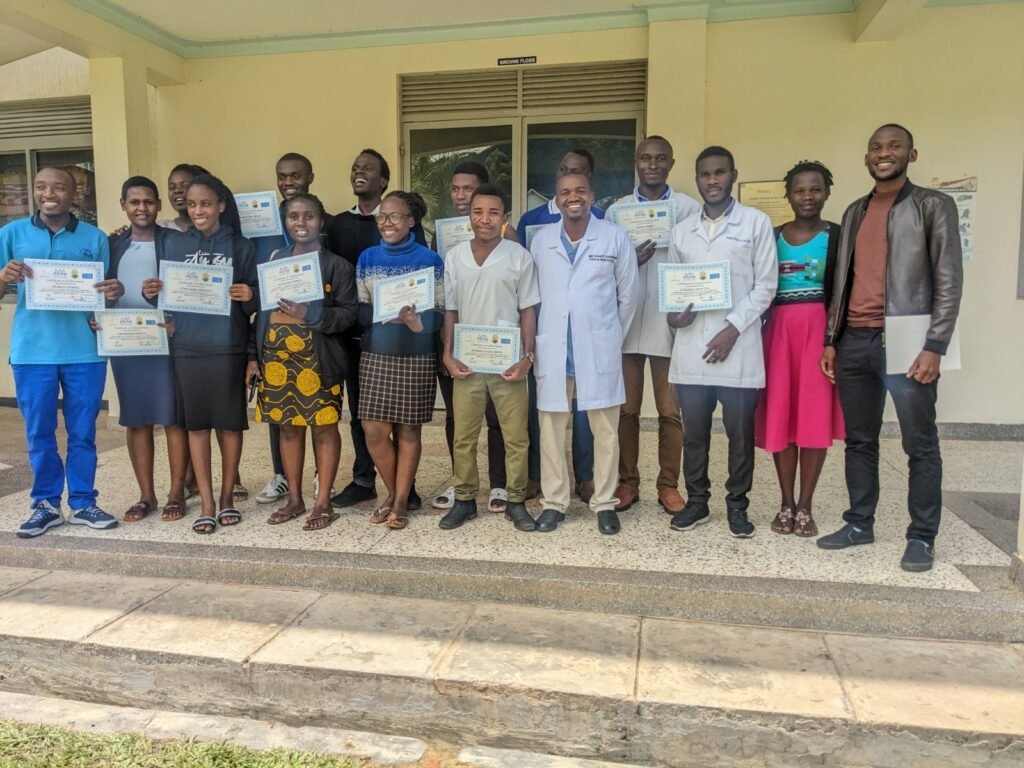
Certificates of Achievement at the first Neonatal Care Course that Sadias (far right) ran in Bwindi Nursing School in 2023

‎Looking back to 2022, when we had our first Neonatal Care Course (NCC) in Uganda, care for the newborns has since never been the same in my work area, considering the fact that Uganda still faces a challenge of high neonatal mortality rate with birth asphyxia being the leading cause (50%).

‎Whereas the Neonatal Mortality Rate (NMR) in Uganda stands at 22/1000 live births, I should be proud to share that Kanungu district in Southwestern Uganda where Neonatal care course (NCC) was first introduced (through Bwindi Community hospital in partnership with NICHE International,)  is now one of the districts with the lowest NMR at 9/1000 (2025). This improvement has been brought about partly by practical skills training  acquired in NCC by NICHE.

‎As a clinician, NCC has improved my confidence in caring for the newborns, it has given that ability to stay calm and perform effective resuscitation when the baby cannot breath, understanding the delicate physiology of preterm infants and educating mothers and my fellow teammates about neonatal care. NCC has boosted my passion for paediatrics and has inspired me to further my studies and hopefully become a neonatologist some day.

‎Our NMR as a country is still very high compared to the SDG target of less than 12/1000 live births by 2030, and we are determined to bring it down. With such training like NCC, rolling out to the rest of the national, I strongly believe there will be a huge positive impact.

New venture – Varanasi, India

Post written by Dr Ajinkya Kale, neonatologist working with the Community Empowerment Lab (CEL), our collaborating partners for a forthcoming project in Uttar Pradesh where neonatal mortality is still more than 30 per 1,000 live births.

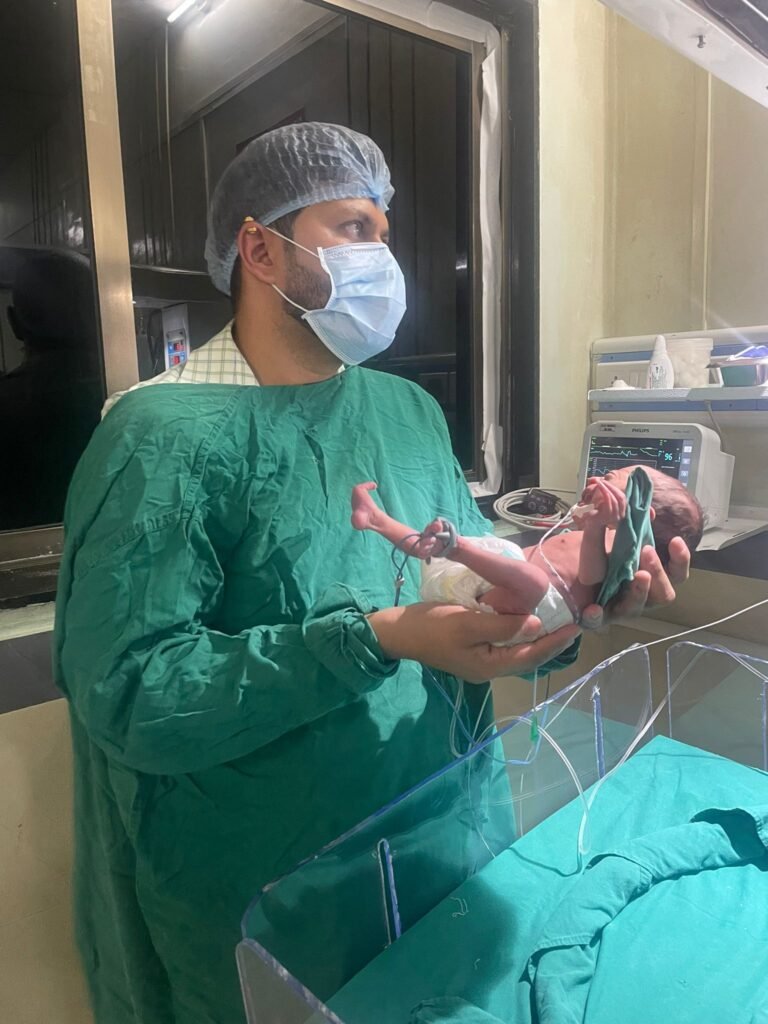
That’s me yesterday… consoling a crying 28 weeker, now corrected to 32 weeks gestation
… it’s a huge milestone in the village I’ve been going to every week

Oh yes—that’s me holding a 28-weeker, now 32 weeks corrected.
A happy, healthy little girl—IVH-free*, antibiotic-free.
It may look like a simple moment, but where I worked, this is nothing short of a quiet miracle. A true achievement for that setup.

Visiting this village every month gives me a stark, humbling reality check—of where half the world truly stands when it comes to resources, funding, and even access to evidence-based knowledge.
So much of what we consider routine in big cities feels almost indulgent here. Money, systems, affordability, safety nets. In places like the NHS, people don’t even think about paying. Care simply exists.

But in Derwan, reality is different.

Here, warmers are shared—two babies under one light—so both can receive phototherapy.
OG* tubes replace umbilical catheters because there is no money.
Feeds are advanced faster than guidelines would allow, not by choice, but by necessity.
Doctors, nurses, and families pray—not quietly, not occasionally—but constantly—that the baby will tolerate feeds, because there’s no money for cannulas, long lines, IV fluids, or second chances.

I consider myself a moderately religious Hindu. I visit temples often.
Yet I have never heard prayers as raw, as desperate, or as united as the ones I hear within these hospital walls.
Here, there are no divisions—no barriers of caste, class, or role. Just parents, doctors, nurses, and babies, all bound by a single shared hope:

A healthy, neurologically intact baby.

It feels surreal every single time.

And somehow, standing here, holding that tiny life, I feel certain—
I am in the right place, in the right mindset, and in the right tone for what lies ahead.

See you very soon.

*IVH intraventricular haemorrhage (bleeds into the brain which can have an effect on a premature baby’s neurodevelopment)

*OG orogastric tube, normally used for feeding babies but in resource poor areas can also be used as a line through a blood vessel in the umbilical cord stump to give intravenous fluids and antibiotics

Kabale courses finished

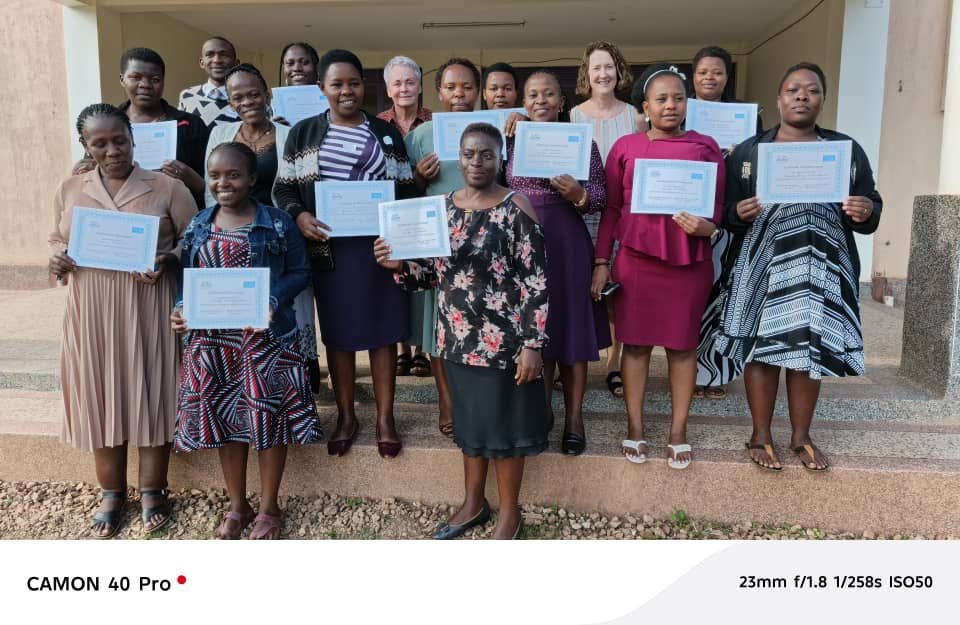
Well done to 12 more midwives, anaesthetic assistants and nurses for successfully completing the Neonatal Care Course

It was a chilly start to course 2 but after good interactive lectures and an ice breaker musical session, jumpers and coats were off and we had great all round participation in the workshops. The keeping babies warm and pain management sessions were really enjoyed with participants sharing work experiences and engaging well with their learning going forwards.
A visit to the neonatal ward at the hospital with Dr Gilbert (District Medical Officer) concluded the training day. The team then had a nice supper at Baharama guest house whilst celebrating the return of Elizabeth’s phone from the repair shop – it works!

The trainers will be making their way to their respective homes tomorrow, Bwindi, Kampala, and 2 to the UK – Storm Goretti allowing. It seems that Schipol’s efficiency is still a bit hampered by snow…

Day 1, Course 2 in Kabale

The training team is back at work in south Uganda. This is the second of 2 courses that NICHE International volunteers are facilitating. Two Ugandan trainers are working alongside the 2 life support instructors from the UK which greatly enhances the credibility of the project and strengthens it for the future. Kabale is a new venue and so the team will be trying to identify suitable clinicians to be trained as instructors themselves on a future visit. This all requires funding so if you are reading this and wanting to help out in some way – please do click on the “Donate now” button! All funds go to the courses; we have no overheads as a small charity run by the volunteer trustees. Instructors’ travel expenses, accommodation, insurance and malaria pills bill are paid by the charity but their time and expertise is given freely. It’s a humbling and totally inspiring set up.

The 4 trainers on their way to open course 2 in Kabale this morning
Cath – no electricity this morning but they’ve found a generator to power the slide projector
Infection is a preventable cause of neonatal death and this handwashing session quite possibly saves more lives in the long run than teaching resuscitation

Feedback so far

The District Medical Officer has welcomed the NICHE International team to Kabale to carry out this training. The WHO Uganda update from April 2025 (The health of mothers and babies is the foundation of healthy families and communities | WHO | Regional Office for Africa) states that Uganda’s maternal mortality ratio (MMR) stands at 189 per 100,000 live births, with a one (1) in 66 lifetime risk of maternal death. In Kabale, maternal mortality is slightly less but still stands at a shocking 163 per 100,000. The neonatal mortality rate (NMR) nationally has decreased from 27 to 22 per 1,000 live births but remains above the SDG target of 12 per 1,000 live births. Teenage pregnancies contribute significantly to mortality, with one (1) in 4 girls aged 15-19 pregnant or already mothers, accounting for 20% of overall maternal deaths.

Facility data in Kabale show a significantly higher neonatal death rate of 33 per 1,000 live births. Over 70% of neonatal deaths occur within the first week of life, with a substantial proportion occurring on the day of birth. The leading direct causes here mirror those listed in the WHO document and include birth asphyxia (49%), complications of prematurity (14%), and neonatal sepsis (12%), indicating critical gaps in intrapartum care, immediate newborn care, and early postnatal monitoring.

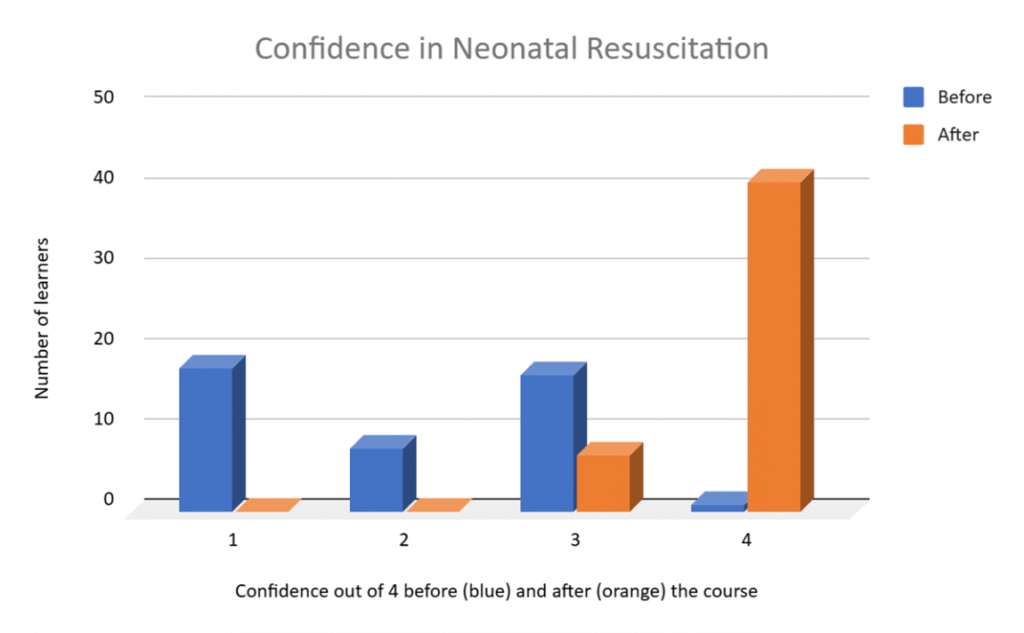
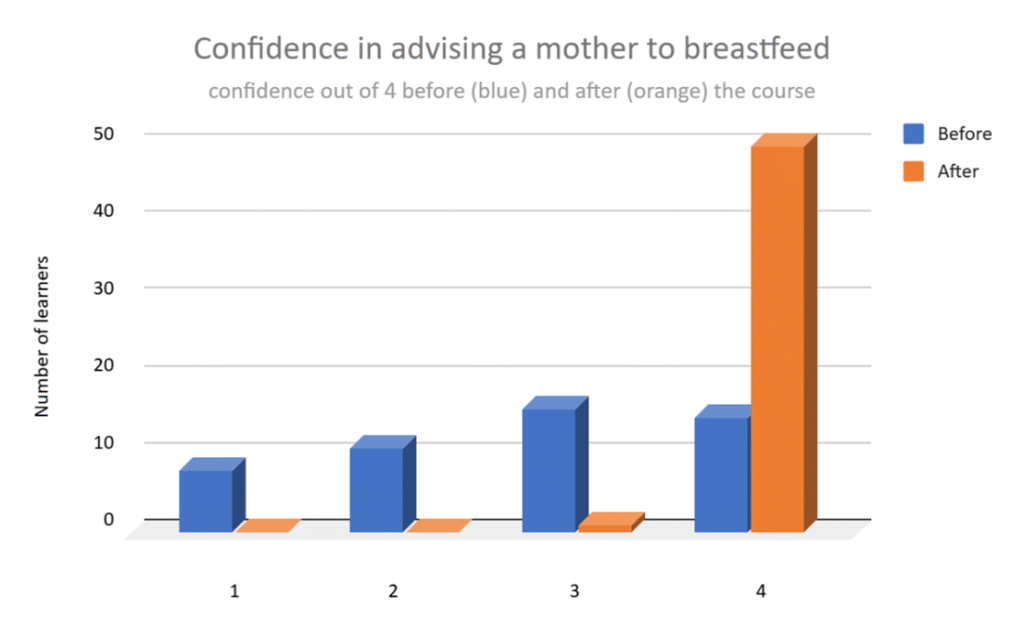
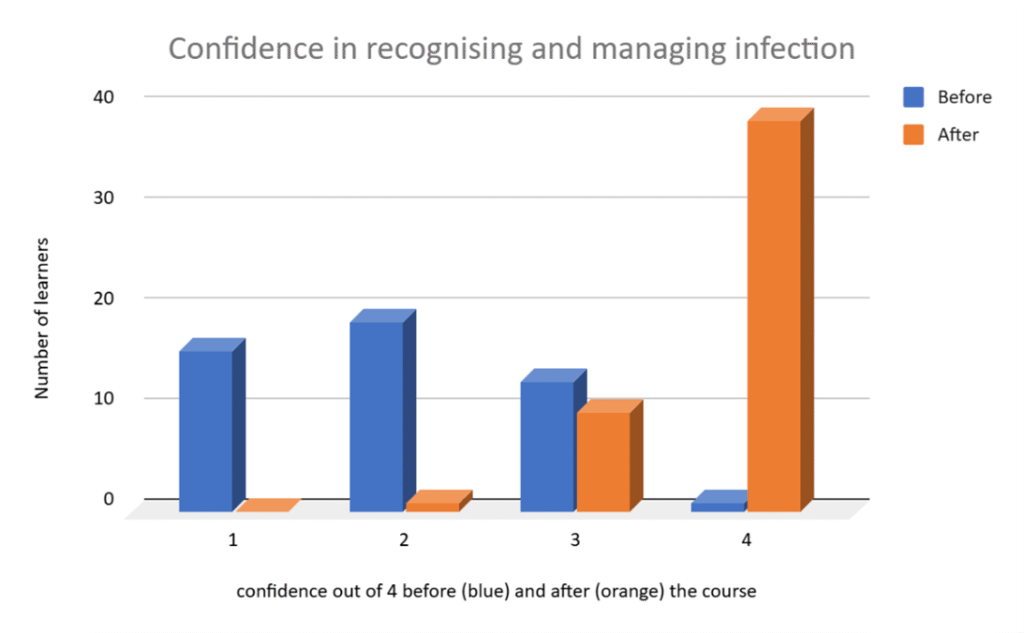
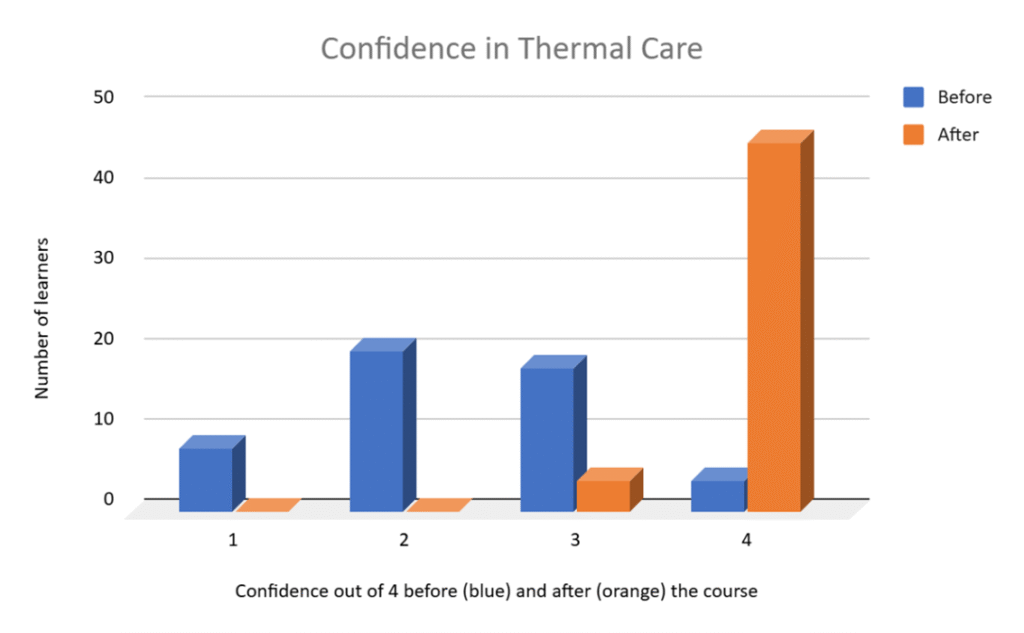
The course covers all the topics known to decrease the risk of newborn babies’ risk of dying in that first week and so far has been well received by enthusiastic candidates! Significant learning, as fed back by them, has included: inflation breath techniques, how to be confident with intraosseous access and how useful an ABC approach is. The infection session and antibiotic use sparked much discussion about early and easier availability of broad spectrum antibiotics in some of the districts. Skin to skin was another highlight especially with the doctors who hadn’t appreciated all its benefits.

The skin-to-skin workshop is always enthusiastically received

We talk about the use of Early Warning Scores to pick up early signs of sepsis which the clinicians in Kabale were not used to using. Elizabeth was able to explain how she has introduced this into the paediatric ward in Bwindi Community Hospital with good effect. The credibility of the Neonatal Care Course is hugely enhanced by having local instructors teaching on it. We are blessed to have such wonderful colleagues to learn with and from.